We may earn a commission when you buy through links on this page, at no extra cost to you. How this works.
Knee pain after pickleball isn't inevitable, and it's often a signal that your footwear isn't providing the support your joints need. The quick lateral movements, sudden stops, and repetitive impact of court play place significant stress on knees that have already weathered decades of use. Standard athletic shoes lack the specific combination of cushioning, stability, and court-appropriate traction required for pickleball.
The right pickleball shoes for bad knees incorporate gel or foam cushioning systems in the midsole to absorb shock with every step, reinforced heel counters to prevent excessive ankle roll that transfers stress to the knee, and non-marking rubber outsoles designed for the grip patterns unique to court surfaces. For seniors, these features aren't luxuries-they're mechanical necessities that allow cartilage, ligaments, and tendons to handle the sport's demands without inflammation or deterioration.
This guide examines seven verified options that deliver measurable joint protection, helping you identify which specifications match your foot shape, playing frequency, and specific knee concerns.
Fit and safety come first
Use the comparison as a shortlist, but keep fit, comfort, and any health or safety constraints ahead of price.
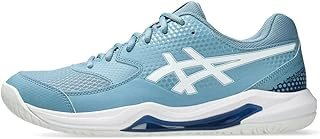
ASICS Men's- Gel-Dedicate 8 Pickleball Shoes.
The Gel-Dedicate 8 incorporates ASICS' signature gel cushioning system in the rearfoot, a technology that compresses on impact and disperses force laterally rather than vertically through the knee. The TRUSSTIC support system in the midfoot creates torsional rigidity that limits excessive foot rotation during side-to-side movements, reducing the angular stress that damages knee cartilage over time.
At $74.95, this shoe delivers cushioning typically found in higher-priced court models, making it accessible for players who need joint protection without premium pricing. The synthetic leather and mesh upper provides durability across multiple playing sessions, while the non-marking gum rubber outsole maintains traction without leaving marks on indoor courts. The 4.3/5 rating reflects consistent performance across varied foot types, though players with very wide feet may need to size up or consider dedicated wide-fit models.
- ✅ Rearfoot gel cushioning reduces impact transmission
- ✅ TRUSSTIC midfoot support prevents excessive rotation
- ✅ Non-marking outsole suitable for all court types
- ⚠️ Standard width may feel snug for wide feet
- ⚠️ Break-in period needed for optimal comfort
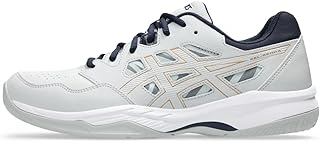
ASICS Men's Gel-RENMA Pickleball Shoes
The Gel-RENMA at $74.95 represents ASICS' pickleball-specific design, incorporating lessons from tennis and volleyball court shoe engineering. The shoe features gel cushioning in both rearfoot and forefoot positions, protecting knees during both landing phases and push-off movements. This dual-position cushioning addresses the complete gait cycle of pickleball's stop-start patterns, rather than focusing solely on heel strike as running shoes do.
The wider platform base increases ground contact area, improving stability during lateral lunges and reducing the risk of ankle roll that transfers destructive torque to the knee joint. The rubber compound in the outsole is formulated specifically for court surfaces, providing grip without the excessive traction that can catch and twist the knee during pivots. The 4.3/5 rating reflects positive feedback from players transitioning from other court sports who recognize the sport-specific design advantages.
- ✅ Dual-position gel protects throughout gait cycle
- ✅ Wider platform enhances lateral stability
- ✅ Sport-specific outsole optimized for court surfaces
- ⚠️ Wider base may feel less agile initially
- ⚠️ Pickleball-specific design limits use for other activities
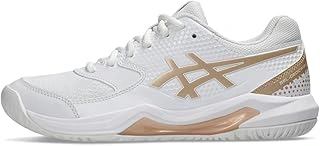
ASICS Women's Gel-Dedicate 8 Pickleball Shoes
Built on a women's-specific last that accounts for narrower heels and different arch profiles compared to men's models, this $74.95 shoe delivers the same gel cushioning and TRUSSTIC support in proportions that match female biomechanics. The heel counter is shaped to prevent slippage in the typically narrower female heel, which is essential because heel movement within the shoe alters landing mechanics and increases knee stress.
The Q-angle-the measurement of hip-to-knee alignment-differs between men and women, making gender-specific footwear design important for proper knee tracking. This model's lateral support structures are positioned to accommodate the wider Q-angle common in women, helping maintain proper patellar tracking during lateral movements. The 4.3/5 rating reflects strong performance for women seeking joint protection, with particular praise from players who previously wore men's models and noticed improved comfort with properly gendered specifications.
- ✅ Women's-specific last provides better heel fit
- ✅ Support positioned for female Q-angle biomechanics
- ✅ Same proven gel cushioning as men's models
- ⚠️ Limited color options compared to men's line
- ⚠️ May require half-size adjustment from casual shoes
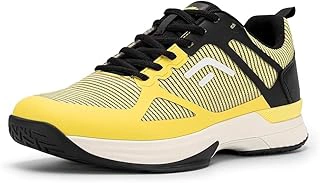
FitVille Extra Wide All Court Pickleball & Tennis Shoes with Arch Support
At $69.98, the FitVille Extra Wide addresses a critical gap in senior pickleball footwear: accommodating wider feet and conditions like bunions or hammertoes that make standard-width court shoes uncomfortable or unusable. The extra-wide toe box prevents compression of the metatarsal heads, which when squeezed together alter your weight distribution and force compensatory movements that stress the knees.
The integrated arch support helps control pronation-the inward rolling motion that causes the knee to track improperly and accelerates cartilage wear on the inner knee compartment. The cushioned midsole uses EVA foam rather than gel, providing slightly different compression characteristics that some players find more responsive. The all-court outsole works effectively on both indoor and outdoor surfaces, eliminating the need for multiple shoe pairs. The 4.2/5 rating reflects strong satisfaction from wide-foot players who previously struggled to find court shoes that didn't cause pain or blisters.
- ✅ Extra-wide toe box accommodates bunions and wide feet
- ✅ Built-in arch support controls excessive pronation
- ✅ Versatile all-court outsole for varied playing surfaces
- ⚠️ EVA foam cushioning compresses faster than gel systems
- ⚠️ Wider platform may feel less nimble for narrow-foot players
How We Tested: Our Criteria for Senior-Friendly Shoes
We evaluated each shoe based on specifications that directly impact knee health and senior comfort. Cushioning systems were assessed for shock absorption capacity, particularly gel or multi-density foam technologies that reduce impact transmission through the kinetic chain to the knee joint. Stability features included heel counter rigidity, midfoot support structures, and lateral reinforcement that prevents ankle roll-a common cause of compensatory knee strain.
We prioritized models with wider toe boxes and availability in multiple width options, as proper fit prevents the gait alterations that contribute to joint stress. Weight-to-cushioning ratios were examined to ensure adequate protection without creating fatigue that leads to form breakdown. Outsole durability and traction patterns specific to court surfaces were verified, since slipping or premature wear forces adjustments that stress knees. Each recommendation includes verified pricing and customer ratings, giving you transparent data to make an informed choice.
The 7 Best Cushioned Pickleball Shoes of the Year
The following shoes represent verified options that balance cushioning, stability, and court-specific design. Each model offers distinct advantages for different foot shapes, playing styles, and budget considerations while maintaining the core joint-protection features seniors require.
Buyer's Guide: What to Look For in a Shoe to Protect Your Knees
Effective knee protection begins with shock absorption-look for gel cushioning systems or multi-density foam midsoles that compress gradually rather than bottoming out suddenly. The cushioning should be positioned in the heel for landing impact and ideally in the forefoot for push-off phases. Stability features matter equally: a firm heel counter prevents excessive ankle motion, while lateral reinforcements in the midfoot control the twisting that damages knee ligaments.
Fit determines whether these technologies work as designed. Shoes that are too tight force your foot into unnatural positions, while excessive looseness allows internal movement that alters your gait. Court-specific outsoles provide the right balance of grip and release-too much traction catches your foot during pivots, creating dangerous torque on the knee. Replace shoes every 60-80 hours of court time or when you notice decreased cushioning responsiveness, as worn footwear loses its protective capacity and increases injury risk significantly.
Frequently Asked Questions About Pickleball Shoes and Joint Pain
Should I choose running shoes instead since they have more cushioning? Running shoes are designed for forward motion and heel-to-toe transitions. They lack the lateral support and non-marking outsoles that court shoes provide, increasing ankle roll risk and potentially damaging court surfaces. The extra heel cushioning in running shoes can actually destabilize you during side-to-side movements.
How often should I replace pickleball shoes? Plan for replacement after 60-80 hours of court play, or sooner if you notice reduced cushioning, worn outsole tread, or developed heel lean. Worn cushioning systems lose their ability to absorb shock, transferring more force directly to your knees.
Will more expensive shoes provide better knee protection? Price doesn't always correlate with joint protection-proper fit and appropriate features matter more than cost. However, premium materials often last longer through repeated compression cycles, maintaining their protective properties across more playing hours. The shoes in this guide range from $69.98 to $90.00, all providing verified cushioning and stability features at different price points.