We may earn a commission when you buy through links on this page, at no extra cost to you. How this works.
Not every paddle works well for players managing shoulder discomfort. The weight distribution, vibration transfer, and swing mechanics of your paddle directly affect how much stress reaches your shoulder joint with every shot. For players who want to maintain an active pickleball schedule without aggravating existing pain, equipment selection becomes a critical factor in long-term enjoyment of the sport.
The best pickleball paddles for shoulder pain share specific engineering characteristics: reduced overall weight, lower swingweight (how heavy the paddle feels during your swing), effective vibration dampening materials, and balanced weight distribution. These features work together to minimize the repetitive stress that accumulates over multiple games and can trigger inflammation in your rotator cuff and surrounding tissues.
This guide examines arm-friendly pickleball paddles that address these biomechanical concerns while maintaining the control and consistency you need for competitive play. Each recommendation balances joint protection with performance, helping you select equipment that supports both your health goals and your game improvement objectives.
Fit and safety come first
Use the comparison as a shortlist, but keep fit, comfort, and any health or safety constraints ahead of price.
How a Pickleball Paddle Can Affect Shoulder Strain
Shoulder pain in pickleball typically stems from repetitive overhead motions and the cumulative impact vibrations traveling from paddle to arm. Each time you strike the ball, force transfers through the paddle face, into the handle, through your wrist and elbow, and ultimately into your shoulder joint. Heavier paddles with poor vibration control amplify this stress, especially during extended play sessions.
The swingweight of a paddle-measured by how the mass is distributed from handle to paddle face-determines how much effort your shoulder muscles expend to accelerate and decelerate the paddle through each stroke. Paddles with excessive weight in the head require more shoulder stabilization and can fatigue your rotator cuff muscles faster than balanced or handle-weighted designs.
Materials also matter significantly. Carbon fiber and polymer honeycomb cores absorb more shock than traditional materials, reducing the jarring sensation that travels up your arm. Proper vibration dampening protects the tendons and soft tissues in your shoulder from the micro-trauma that accumulates over thousands of shots per week.
Key Features to Look for in a Shoulder-Friendly Paddle
Weight specifications tell only part of the story. Look for paddles in the 7.2 to 8.0 ounce range-light enough to reduce shoulder load but substantial enough to maintain ball control. The weight distribution matters even more than total weight; an 8-ounce paddle with handle-weighted balance can feel lighter during play than a 7.5-ounce head-heavy model.
Core construction directly influences vibration dampening. Polymer honeycomb cores provide excellent shock absorption while maintaining a responsive feel. Carbon fiber faces paired with these cores create a rigid structure that reduces paddle flex and the associated vibration that reaches your arm. Thermoformed paddles, where the face and core are bonded under heat and pressure, often deliver superior vibration control compared to traditionally constructed designs.
Handle ergonomics also contribute to shoulder comfort. A slightly longer handle (5.25 to 5.5 inches) allows for two-handed backhand grips that distribute force across both arms, reducing single-shoulder stress. Cushioned grips with adequate thickness prevent your hand from gripping too tightly, which can create tension that extends through your forearm into your shoulder.
The 4 Best Paddles Designed to Reduce Shoulder Strain
The following paddles represent different approaches to shoulder-friendly design. Some prioritize extreme lightweight construction, while others focus on advanced vibration dampening technology or balanced weight distribution. Each option addresses the biomechanical factors that contribute to shoulder discomfort, though your individual needs-current pain level, playing frequency, and stroke style-will determine which features matter most for your situation.
These selections include both budget-conscious options and mid-range performance paddles. All incorporate design elements specifically beneficial for players managing joint concerns, including low swingweight configurations, shock-absorbing core materials, and construction methods that minimize vibration transfer to your arm and shoulder.
Buyer's Guide: How to Select the Perfect Paddle for Your Needs
Start by honestly assessing your current shoulder condition. If you experience mild soreness only after particularly long play sessions, a quality lightweight paddle with honeycomb core construction may provide sufficient protection. Players with diagnosed rotator cuff issues or chronic inflammation benefit more from premium thermoformed paddles with advanced vibration-dampening engineering.
Test the paddle's balance by holding it at the handle and noting where you feel the weight. Paddles with neutral or handle-weighted balance reduce the torque on your shoulder during overhead shots. Head-heavy paddles generate more power but require greater shoulder stabilization effort, potentially aggravating existing pain.
Consider your playing frequency and intensity. Three to four sessions weekly demands more robust joint protection than occasional recreational play. Higher-quality paddles maintain their vibration-dampening properties longer, making them more cost-effective for frequent players despite higher initial prices. Budget-conscious options work well for testing whether equipment changes reduce your discomfort before investing in premium models.
Beyond the Paddle: Other Tips for Preventing Pickleball Shoulder Injuries
Proper warm-up routines significantly reduce shoulder injury risk. Spend five to ten minutes before play performing arm circles, shoulder rotations, and gentle stretching of your rotator cuff muscles. This preparation increases blood flow and improves the elasticity of tendons and ligaments, helping them absorb impact stress more effectively during play.
Stroke technique matters as much as equipment. Work with an experienced instructor to evaluate your overhead serve and smash mechanics. Many players generate unnecessary shoulder stress through excessive arm motion when proper weight transfer and body rotation would produce equal power with less joint strain. Small technique adjustments can dramatically reduce cumulative shoulder loading.
Recovery protocols extend your playing longevity. Ice therapy immediately after play reduces inflammation, while heat therapy (such as the heating wrap mentioned earlier) works better for chronic stiffness between sessions. Strengthening exercises targeting rotator cuff muscles and scapular stabilizers create a more resilient shoulder structure better able to handle the demands of regular pickleball play. Rest days between sessions allow tissue repair and prevent the overuse patterns that lead to chronic pain conditions.
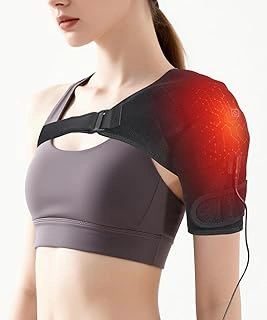
MOTAYU Shoulder Heating Pad Heated Wrap for Pain
While not a paddle, this heated wrap addresses post-play recovery, an essential component of managing shoulder pain for active pickleball players. The targeted heat therapy helps reduce inflammation and muscle tension that accumulate during play, particularly in the rotator cuff and surrounding shoulder muscles.
The wrap's design allows for hands-free use during your recovery routine. Heat therapy increases blood flow to affected tissues, promoting healing and reducing the stiffness that often develops after multiple games. For players who experience shoulder discomfort despite using appropriate paddles, adding consistent recovery protocols can make the difference between playing once weekly versus maintaining a three- or four-day schedule.
This recovery tool works best when integrated into a broader joint-protection strategy that includes proper equipment selection, adequate warm-up routines, and attention to playing technique. The 4.5/5 rating reflects user satisfaction with its therapeutic effectiveness and ease of use during post-game recovery.
- ✅ Hands-free design for convenient post-game recovery
- ✅ Targeted heat therapy for shoulder and rotator cuff
- ✅ Supports consistent playing schedule through better recovery
- ⚠️ Recovery tool rather than preventive equipment
- ⚠️ Requires electrical outlet for operation
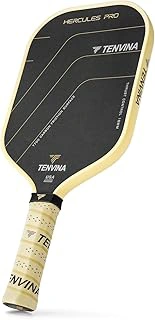
TENVINA Thermoformed T700SC Carbon Fiber Pickleball Paddles
This thermoformed paddle employs T700SC carbon fiber construction, a material specification that provides both rigidity and vibration dampening. The thermoforming process-where face and core are bonded under controlled heat and pressure-creates a unified structure that significantly reduces the flex-related vibrations common in traditionally assembled paddles.
The carbon fiber face delivers a crisp, responsive feel while the construction method channels impact energy into ball speed rather than vibration traveling up your arm. This engineering approach particularly benefits players whose shoulder pain worsens with jarring impacts, as the paddle absorbs much of the shock that would otherwise reach your joint.
At a mid-range price point, this paddle represents a meaningful investment in joint protection technology. The 4.8/5 rating indicates strong user satisfaction with both performance and comfort characteristics. The thermoformed construction provides durability advantages as well, maintaining its vibration-dampening properties through extended use better than paddles with separate face and core components.
- ✅ Thermoformed construction for superior vibration control
- ✅ T700SC carbon fiber provides stiffness with shock absorption
- ✅ Unified structure eliminates vibration from face-core separation
- ⚠️ Higher price point than entry-level options
- ⚠️ Carbon fiber face requires adjustment period for feel
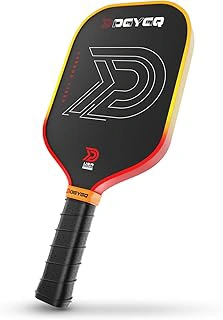
DGYGQ Carbon Fiber Pickleball Paddles, Honeycomb Core, Lightweight Precision, High Spin
This paddle combines carbon fiber face construction with a polymer honeycomb core, a material pairing specifically engineered to dampen vibration while maintaining ball control. The honeycomb structure absorbs impact shock through its cellular geometry, preventing much of the jarring force from transmitting through the handle to your arm and shoulder.
The lightweight design reduces the muscular effort required for each swing, decreasing cumulative shoulder fatigue during extended play sessions. The carbon fiber face adds stiffness without significant weight, creating a paddle that feels responsive without the head-heavy balance that can strain your shoulder during overhead shots and quick volleys at the net.
At an accessible price point, this paddle offers legitimate joint-protection features without requiring a major equipment investment. The 4.6/5 rating reflects solid performance in both comfort and playability categories. For players testing whether paddle changes can reduce their shoulder discomfort, this represents a low-risk option to evaluate the benefits of modern vibration-dampening materials.
- ✅ Honeycomb core provides excellent shock absorption
- ✅ Lightweight construction reduces shoulder muscle fatigue
- ✅ Budget-friendly entry to advanced materials
- ⚠️ Less durability than thermoformed construction
- ⚠️ Basic design without premium ergonomic features
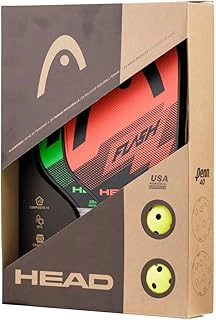
HEAD Flash Pickleball Pack with 2 Paddles and 2 Outdoor Balls
This complete set from an established sports equipment manufacturer provides an entry point into pickleball with reasonable attention to comfort features. The inclusion of two paddles makes this particularly suitable for players introducing friends or partners to the sport while managing their own joint concerns.
While not featuring the advanced thermoforming or premium carbon fiber of specialized paddles, the HEAD Flash paddles incorporate basic vibration-reduction design elements and maintain a weight range suitable for players with shoulder sensitivity. The brand's experience in racquet sports translates to ergonomic handle design and balanced weight distribution that reduces obvious strain points.
The 4.8/5 rating reflects the value proposition and overall quality for an entry-level set. For players uncertain whether paddle selection significantly impacts their shoulder comfort, this affordable option allows testing the sport with reasonable equipment before committing to premium specialized paddles. The included balls eliminate additional purchases, providing everything needed to begin evaluating how equipment choices affect your joint health during play.
- ✅ Complete set includes two paddles and balls
- ✅ Established brand with racquet sport expertise
- ✅ Balanced design suitable for joint-conscious beginners
- ⚠️ Entry-level construction lacks advanced vibration technology
- ⚠️ Not specialized for serious shoulder pain management