We may earn a commission when you buy through links on this page, at no extra cost to you. How this works.
Plantar fasciitis discomfort often feels worse after pickleball because court play loads the arch with hundreds of small impacts, quick direction changes, and sustained weight shifts that stress the plantar fascia ligament. Once you leave the court, the inflammation window stays open for several hours, and what you wear during that period directly affects how your feet recover for the next session.
Many players over 60 slip into flat flip-flops or cushioned slides after a match, but neither design delivers the structured arch lift or heel cup stability that inflamed plantar tissue needs. Recovery sandals differ by pairing deep cushioning with contoured footbeds that hold the arch in a supported position, reducing the stretch and strain on the fascia while soft tissue calms down.
Switching from court shoes into a well-designed recovery sandal within fifteen minutes of finishing play gives the foot a stable, cushioned platform during the window when micro-tears and inflammation are most active. The right sandal keeps your arch from collapsing under this product, distributes pressure more evenly across the sole, and lets you move around the club, car, or home without aggravating the tissue you just worked hard.
For older athletes managing chronic or recurring plantar fasciitis, recovery sandals function as a practical bridge between high-impact play and barefoot rest. They offer enough structure to prevent re-injury during casual movement, enough cushioning to absorb residual impact, and enough convenience to wear consistently every time you finish a session.
Fit and safety come first
Use the comparison as a shortlist, but keep fit, comfort, and any health or safety constraints ahead of price.
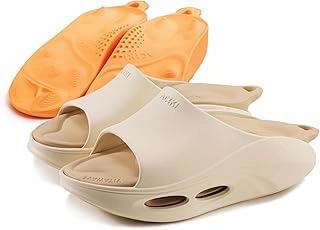
ACIKI Recovery Sandals with Orthopedic Arch Support
The ACIKI Recovery Sandals deliver structured orthopedic arch support at a budget-friendly $29.99, making them accessible for players who want plantar fasciitis relief without premium pricing. The footbed features a defined arch contour designed to cradle the midfoot and distribute pressure away from the heel, which can help reduce strain after extended court time.
At this price point, the sandal uses denser EVA foam rather than the softer compounds found in higher-cost models. The firmer cushion provides stability and holds the arch shape well, but some players may find it less forgiving during the first few wears compared to the plush feel of pricier alternatives. The footbed width runs true to standard sizing, which works well for average-width feet but may feel snug across the forefoot for players with wider feet or high-volume insteps.
The arch height sits in the moderate range - higher than flat recovery slides but not as pronounced as maximum-support designs. This middle-ground profile suits players with mild to moderate plantar fasciitis who need noticeable arch engagement without the intense pressure that very high arches can create. If you have low arches or prefer minimal structure, this sandal may feel too assertive underfoot.
Compared to the other three models in this guide, the ACIKI offers the most accessible entry price while maintaining a true orthopedic footbed shape. The tradeoff is a firmer ride and narrower fit tolerance. Players with standard-width feet and moderate arch needs will appreciate the balance of support and value, while those requiring extra room or softer cushioning may find better matches elsewhere in the lineup.
Check the size chart carefully before ordering, as the structured footbed leaves less room for fit adjustment than open-toed slides with softer bases.
- ✅ Defined orthopedic arch contour at budget-friendly price
- ✅ Firmer EVA foam maintains footbed structure over time
- ✅ Moderate arch height suits mild to moderate plantar fasciitis
- ⚠️ Denser cushioning may feel firm during initial break-in
- ⚠️ Standard width footbed may feel snug for wider feet
- ⚠️ Less forgiving fit compared to softer, pricier models
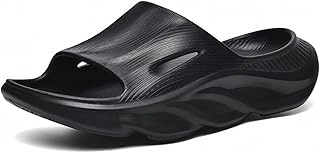
AnyuTech Orthopedic Recovery Slides with Arch Support & Thick Cushion
The AnyuTech Orthopedic Recovery Slides combine a prominent arch ridge with a thicker-than-average cushion layer, creating a design that leans toward soft support rather than firm control. The midsole sits deeper than many thin recovery slides, which allows the foot to sink into the platform while the arch contour still pushes upward against the midfoot. This balance makes the slide feel forgiving underfoot without completely flattening out the arch profile.
Compared to the ACIKI, the AnyuTech offers noticeably more cushion depth but a less aggressive arch ridge. The ACIKI's footbed is firmer and its arch support climbs higher into the midfoot, which some wearers prefer for control and stability. The AnyuTech's softer foam compresses more easily, so players who need firmer feedback during recovery may find it too yielding. That same softness, however, reduces pressure on tender heel pads and the plantar fascia band, which can be helpful immediately after a match when the foot is warm and sensitive.
The extra cushion thickness matters most when you're standing or walking on hard surfaces between sessions. A thicker midsole absorbs more impact on concrete or tile, whereas a thinner, firmer slide transmits more ground feel. If your primary concern is cushioning soreness rather than correcting foot mechanics, the AnyuTech's plush build may suit you better than a firmer orthopedic option.
Fit can vary with this design. The deeper footbed means the slide sits higher off the ground, and the soft foam allows the foot to shift slightly during walking. Some wearers appreciate the give; others feel less stable than in a firmer slide with lower stack height. Sizing appears true to standard sandal dimensions, but the arch placement is fixed, so if the ridge doesn't align with your arch naturally, the slide will feel awkward no matter the size.
The AnyuTech works well for players who want maximum cushion after long pickleball sessions and prefer a softer landing under the heel. It's less suited to those who need firm arch correction or a low-profile recovery sandal that feels stable during quick movements around the house or court.
- ✅ Thick cushion layer reduces impact on sore heels and the plantar fascia band
- ✅ Softer foam compresses gently, easing pressure immediately after play
- ✅ Deeper midsole absorbs ground shock on hard surfaces between sessions
- ⚠️ Less aggressive arch support than firmer orthopedic slides like the ACIKI
- ⚠️ Soft foam compresses easily, offering less stability during walking
- ⚠️ Higher stack height and foot shift may feel less secure for some wearers
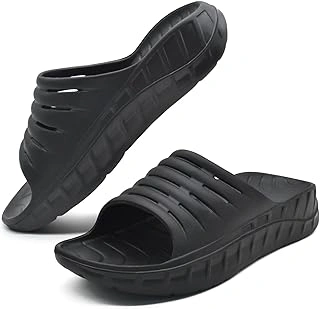
GPOS Men's Sport Recovery Slides with Thick Cushion
Players who finish court sessions with persistent heel pain often need more cushion depth than typical recovery sandals provide. The GPOS Men's Sport Recovery Slides offer a thicker midsole designed to absorb impact after high-volume play, which can be useful when plantar fasciitis flare-ups make every step uncomfortable.
At $32.99, these slides sit at the higher end of the recovery sandal range. The added cost reflects the sport-focused cushion construction, which prioritizes shock absorption over firmer arch structure. If your discomfort centers on heel strike rather than arch collapse, the extra foam may deliver noticeable relief during post-game recovery hours.
The cushion-to-support ratio leans softer than both the ACIKI and AnyuTech models. Where those sandals use denser foam to stabilize the arch, the GPOS design allows more compression underfoot. Players with flexible arches and heel-dominant pain typically respond well to this setup, while those who need structured arch control may find the softer platform less stabilizing during extended wear.
Foot type matters with this slide. Medium to high arches benefit from the plush cushion without losing too much support, but flat or overpronated feet may sink too deeply into the midsole, reducing the alignment benefit recovery footwear should provide. The thicker construction also adds slight bulk, which some users notice when transitioning from court shoes to slides.
Sizing runs close to standard athletic footwear, though the deeper footbed can feel snug across the forefoot if you're between sizes. Going up a half size provides better toe clearance without sacrificing the heel cup fit. The slide's design works best for short recovery intervals - locker room to car, post-match cooldown - rather than all-day wear, where firmer support becomes more important.
The price difference compared to lower-cost recovery slides is meaningful. If thick cushion directly addresses your primary discomfort and you recover in sandals for limited periods, the GPOS construction justifies the investment. If you need both cushion and firm arch support throughout the day, a denser model may serve you better at a lower price point.
- ✅ Thick midsole cushion absorbs impact after high-volume play
- ✅ Sport-focused design targets heel-dominant discomfort
- ✅ Works well for medium to high arches with heel pain
- ⚠️ Higher price at $32.99 compared to similar recovery sandals
- ⚠️ Softer platform provides less arch structure for flat feet
- ⚠️ Deeper footbed may feel snug across forefoot between sizes
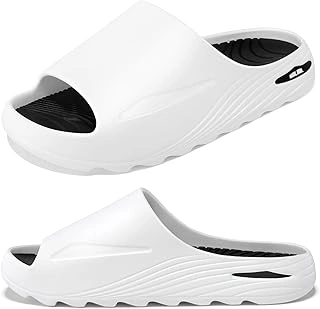
HMLHML Men's Recovery Slides with Orthotic Arch Support
Players who wear their recovery sandals all day, not just after a match, often need consistent arch support that holds up over time. The HMLHML Men's Recovery Slides deliver orthotic-style arch contour at a price point that makes durability testing easier on the wallet. At $29.99 with a 4.5-star rating, this slide reflects stronger user consensus than many budget options, particularly around fit consistency across sizes.
The arch support sits higher and firmer than the ACIKI slide's softer EVA platform, offering more structured foot positioning for players whose plantar fasciitis responds better to guided alignment than deep cushion alone. This makes the HMLHML a practical choice if you plan to wear the sandal during light errands or standing tasks, where sustained support matters more than maximum shock absorption immediately post-game.
The single-strap design adjusts across the midfoot without creating pressure points on swollen tissue, and the footbed width accommodates most standard foot shapes without the narrow fit issues that sometimes appear in imported slides. Sizing runs true for most users, though players with high-volume feet may find the strap needs adjustment during the first few wears to avoid rubbing.
Because the midsole is firmer than gel-heavy recovery sandals, initial comfort may feel less plush, but that same firmness translates to better long-term shape retention. If your post-pickleball routine includes walking the dog or preparing meals rather than immediate rest, the structured support and higher rating suggest this slide will remain comfortable and functional beyond the first month of use.
- ✅ Higher user rating reflects consistent fit and durability
- ✅ Orthotic-style arch support for structured alignment
- ✅ Firmer midsole maintains shape over extended use
- ✅ Adjustable strap reduces midfoot pressure
- ✅ Affordable price for all-day wear testing
- ⚠️ Less immediate cushion than gel-based sandals
- ⚠️ Firmer feel may require break-in period
- ⚠️ High-volume feet may need strap adjustment
How Recovery Sandals Ease Plantar Fasciitis Symptoms
Plantar fasciitis discomfort often intensifies after pickleball because the plantar fascia - a thick band of tissue running along the bottom of the foot - has absorbed repeated impact and stretching forces throughout play. Recovery sandals address this by redistributing pressure across the foot's surface rather than concentrating it along the arch and heel.
Arch support built into the footbed lifts and cradles the midfoot, reducing the strain placed on the fascia itself. When the arch is properly supported, the tissue doesn't have to work as hard to maintain the foot's natural shape during walking or standing. This mechanical change shifts load away from the inflamed area, giving the fascia room to settle.
Thick, soft midsoles absorb residual stress that would otherwise travel directly into the heel and arch. After hours of lateral movement and quick stops on court, feet continue to experience residual tension. Cushioning acts as a buffer, dampening impact with each step and lowering the overall strain on already fatigued tissue.
Contoured footbeds guide the foot into a neutral position, keeping the heel, arch, and forefoot aligned. Misalignment can pull unevenly on the plantar fascia, aggravating sore spots. A well-shaped footbed holds everything in place, so the foot doesn't roll inward or outward excessively during the recovery window.
Deep heel cups stabilize the rearfoot and prevent side-to-side motion that can tug on the fascia attachment point at the heel. This containment is especially helpful if you're moving around between matches or walking to the car, when fatigue makes it easier to lose your footing.
Together, these features create an environment where the plantar fascia isn't forced to bear the brunt of every step. Recovery sandals won't reverse existing irritation overnight, but they do reduce the mechanical stressors that can prolong discomfort and slow the body's natural recovery process.
Comparing Arch Support and Cushion Across the Four Models
Arch support height and cushion firmness work together to determine how well a recovery sandal manages plantar fasciitis discomfort after pickleball. The four models in this comparison take different approaches to support and cushioning, each suited to specific foot shapes and comfort preferences.
Players with flatter feet or low arches typically need a moderate arch contour that provides structure without creating pressure points. A sandal with firm, supportive cushioning helps stabilize the foot and reduce strain on the plantar fascia during the recovery period. Those with higher arches benefit from deeper arch support that fills the midfoot gap and distributes pressure more evenly across the footbed.
Cushion firmness also affects stability. Softer foam absorbs impact well but may compress too much for players who need a stable base, particularly when walking on uneven surfaces or standing for extended periods. Firmer cushioning maintains its shape and offers better control, though it may feel less plush initially. The best recovery sandals balance these elements based on whether your priority is immediate softness or long-term structural support.
Footbed contour varies across the four models. Some feature a pronounced heel cup and defined arch ridge that guides foot alignment, while others use a gentler slope with broader support zones. A deeper contour suits players who need active correction and targeted pressure relief, while a shallower profile works for those who prefer a more neutral feel with cushioning distributed across the entire foot.
When comparing the four sandals, consider whether your plantar fasciitis responds better to structured arch support that holds your foot in place or to cushioned absorption that reduces impact stress. Players who spend most recovery time indoors on flat surfaces may prioritize plush cushioning, while those who walk outdoors or need all-day wear often find firmer, contoured support more effective. Match the sandal's arch height and cushion density to your foot type and the activities you'll do while wearing them.
How to Transition Into Recovery Sandals After Play
Switching into recovery sandals right after your final point can help your feet start the recovery process while tissues are still warm and circulation is elevated. Most players find the transition easiest when they keep their sandals in a gear bag or near the court exit, making the swap part of the post-game routine alongside removing wrist tape or packing paddles.
Wearing recovery sandals for at least 30 to 60 minutes after play gives the arch, heel, and forefoot time to decompress from the repetitive impact of side-to-side movement. Some players continue wearing them through the drive home, during stretching sessions, or while icing their feet. Others keep a second pair indoors for evening wear, especially if plantar fasciitis discomfort tends to flare several hours after activity.
Recovery sandals work best as a complement to other post-play habits, not a replacement. They support your foot in a neutral position while you stretch your calves, roll your arches, or apply ice to tender spots. Pairing the sandals with a few minutes of gentle movement - walking around the parking lot or doing standing calf stretches - can help maintain blood flow without adding strain.
Avoid wearing recovery sandals during warm-up or active play. The thick cushioning and contoured footbeds are designed for low-speed walking and standing, not the lateral cuts and quick stops that pickleball demands. Court shoes provide the stability and grip you need during the game; recovery sandals take over once the competitive movements are done.
If you play indoors on gym floors, check whether your sandals have non-marking outsoles before wearing them inside the facility. Many recovery models are built for both indoor and outdoor use, but some have treads better suited to pavement. For players who experience morning heel pain, keeping recovery sandals by the bedside and slipping into them before taking those first steps can offer immediate arch support when fascia tissue is tight.
Choosing the Right Sandal for Your Foot Shape and Plantar Fasciitis Severity
Matching a recovery sandal to your foot shape and the specific location of your plantar fasciitis discomfort makes a measurable difference in post-play relief. Arch height, foot width, and whether your pain concentrates in the heel, midfoot, or along the fascia band all influence which sandal will feel supportive rather than merely cushioned.
If you have flat feet or low arches and experience sharp heel pain after pickleball sessions, prioritize sandals with firm, contoured arch support that lifts the midfoot and reduces strain on the plantar fascia insertion point. A deep heel cup adds stability and keeps your foot centered, which helps distribute pressure more evenly. Look for models that offer structured support rather than soft, sinking cushioning alone.
For high arches combined with midfoot or fascia band discomfort, a sandal with moderate arch contouring and generous cushioning works better than aggressive lift. Too much arch can create pressure points under a high instep, so a gentler profile with shock-absorbing midsole foam helps ease tension without adding new stress. Width accommodation matters here, since high-arched feet often need extra room across the midfoot.
Wide feet require adjustable straps or a roomier footbed to avoid pinching at the forefoot and midfoot, which can shift your gait and worsen fascia strain. If your sandal feels snug across the top of your foot or forces your toes to curl, the arch support and cushioning become less effective because your foot can't settle into the intended position.
Narrow or average-width feet benefit from sandals with secure, adjustable closures that prevent sliding, which can cause your arch to miss the contoured support zone. A slight amount of lateral stability in the midsole helps keep your foot aligned during casual movement between courts or around the house.
Pain location also guides your choice. Heel-focused pain responds well to deep cushioning and a pronounced heel cup. Midfoot or arch pain often improves with moderate contouring and flexibility in the forefoot, allowing the sandal to flex naturally as you walk. If discomfort spreads along the entire fascia, a balance of structured arch support and generous cushioning across the footbed provides the most consistent relief.
The tradeoff between firmness and plushness is central: firmer sandals deliver better arch support and alignment but may feel less immediately comfortable on sore feet, while softer models offer instant cushioning but can lack the structure needed to address alignment issues that contribute to plantar fasciitis. Choose based on whether your priority is corrective support or immediate comfort after play.
Investing in Recovery Sandals to Support Long-Term Play
Recovery sandals become most valuable when you think of them as part of a sustainable play routine rather than an occasional comfort item. For players managing plantar fasciitis, the hours after you leave the court matter just as much as the ones spent playing. Slipping into supportive sandals immediately helps your foot transition from the demands of lateral movement and impact to a recovery posture that reduces cumulative stress on the plantar fascia.
The right sandal works by redistributing pressure away from the heel and arch, supporting alignment while your muscles cool down. This matters especially if you play multiple times per week or back-to-back sessions, where fatigue and inflammation can build faster than your body recovers. Pairing recovery sandals with your court shoes and any stretching or icing routine creates a more complete strategy that lets you maintain frequency without sacrificing foot health.
Fit and compatibility should guide your decision more than brand recognition or price point. A sandal that matches your arch height, accommodates any orthotic you use, and feels stable during normal walking will do more for long-term comfort than a premium model that doesn't suit your foot shape. Pay attention to how the footbed supports your midfoot, whether the strap system holds your heel in place, and if the cushioning feels responsive rather than mushy after fifteen minutes of wear.
Recovery starts the moment you step off the court, and the sandal you choose sets the tone for how your feet feel the next morning and into your next game.
What to Look for in a Recovery Sandal for Plantar Fasciitis
- Arch support height that matches your natural foot contour without forcing excessive lift
- Cushion thickness sufficient to absorb impact but firm enough to maintain alignment
- Footbed width and strap design that accommodate swelling after extended play
- Heel cup depth that stabilizes your foot during walking and standing recovery periods
- Outsole tread pattern that prevents slipping on smooth indoor and outdoor surfaces
- Material that wicks moisture and resists odor after repeated sockless wear