We may earn a commission when you buy through links on this page, at no extra cost to you. How this works.
If you carry paddles, balls, water, and shoes to the courts three or four times a week - or if you already deal with shoulder or back sensitivity - the design of your pickleball bag matters as much as what you put inside it. The core challenge is balancing capacity for multi-hour sessions with comfort that keeps strain off your spine and shoulders during the walk from parking lot to court. A bag that distributes weight poorly or places heavy items far from your back can turn a five-minute walk into a source of discomfort, especially when you're carrying six to ten pounds of gear.
Three factors determine whether a bag will support your back or work against it: strap width and padding thickness, the architecture that distributes weight across your torso, and how compartments position heavy items relative to your spine. Wider, padded straps spread load across more shoulder surface area, reducing pressure points. Weight distribution systems - whether a sternum clip, load-lifter straps, or a hip belt - shift some of the burden away from your shoulders and onto stronger muscle groups. Compartment placement controls where the heaviest items sit; bags that keep weight close to your center of gravity and low in the pack reduce the pulling force that strains your lower back.
Backpack-style bags typically offer better weight distribution and dual-shoulder carry, while sling bags prioritize quick access but place all load on one side. Understanding how strap design, internal layout, and carry style interact will help you choose a bag that handles your gear without creating new aches.
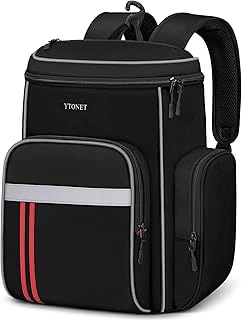
Ytonet Pickleball Paddle Backpack with Shoe Compartment and Fence Hook
The Ytonet Pickleball Paddle Backpack offers a budget-friendly entry point at $24.99 for players exploring backpack-style carrying without significant investment. With a 4.8 out of 5 rating, this bag delivers courtside convenience through a dedicated shoe compartment that isolates footwear from gear and a fence hook that lets you hang the bag at the court perimeter between games.
The shoe compartment keeps dirt and odor contained, which matters when you're carrying paddles, balls, and personal items in the same bag. The fence hook adds practical value by giving you quick access to water, towels, or grip tape without setting your bag on the ground. For casual players or those testing whether a backpack suits their routine better than a tote or duffel, this bag provides essential organization features at a price that reduces the risk of buyer's regret.
User reviews become especially important here, since detailed strap padding and back panel specifications are not fully disclosed. Look for feedback on strap width, cushioning thickness, and how the bag rides when loaded with paddles, shoes, and accessories. Players with existing back sensitivity should pay close attention to comments about comfort during longer walks from parking areas or between courts. The low price point makes this a sensible option for occasional play or lighter loads, but heavier gear or longer carry distances may require a bag with more robust strap and back support systems.
If you're new to pickleball or play once or twice a week, the Ytonet backpack lets you test the backpack format and courtside organization without the upfront cost of premium models. Read recent user reviews to confirm that strap comfort and back support align with your carry needs and body type before purchasing.
- ✅ Budget-friendly at $24.99 for entry-level use
- ✅ Dedicated shoe compartment isolates footwear from gear
- ✅ Fence hook provides courtside access without ground contact
- ✅ 4.8/5 rating suggests strong user satisfaction
- ⚠️ Strap padding and back panel specs not fully disclosed
- ⚠️ May lack robust support for heavier loads or longer carry distances
- ⚠️ Best suited for casual play rather than frequent tournament use
Who Needs a Bag with Back Support Features
Regular pickleball players who carry gear three or more sessions per week, anyone with a history of shoulder or lower-back discomfort, and those transporting more than a paddle and balls - shoes, extra clothing, hydration - will benefit most from a bag designed with back support features. Single-strap slings and tote-style bags shift the entire load to one shoulder, creating uneven pull across the neck, upper trapezius, and spine, which leads to fatigue and soreness after even short walks from the parking lot to the court. Dual-strap backpack designs distribute weight equally across both shoulders, reducing strain on any single muscle group. Padded back panels help stabilize the load close to your center of gravity, keeping the bag snug against your mid-back instead of swinging outward and pulling your posture forward. If you notice shoulder tightness, neck stiffness, or lower-back ache after carrying your current bag, upgrading to a dual-strap model with a padded back panel and adjustable sternum strap can make transport noticeably more comfortable and help you arrive at the court ready to play.
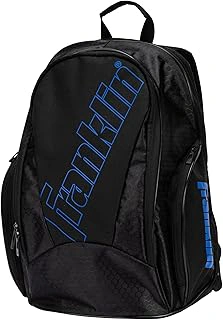
Franklin Sports Junior Deluxe Competition Pro Pickleball Backpack
Franklin Sports Junior Deluxe Competition Pro Pickleball Backpack is best for buyers who want this option that matches their space, routine, and budget. Verified details such as Price: $41.12 and Availability: InStock help show where it fits best. Focus on the real fit, day-to-day usability, and tradeoffs rather than broad marketing promises.
Check current price and strap width specificationsWhat Matters Most: Strap Width, Padding, and Load Positioning
Three mechanical factors determine whether a pickleball bag will cause shoulder fatigue or carry comfortably for hours: strap width, padding thickness, and load positioning.
Strap width should be at least two inches across where it sits on your shoulder. Wider straps distribute the weight of paddles, balls, shoes, and water bottles over a larger surface area of muscle and tissue, reducing pressure points that lead to soreness during long tournament days or walks from the parking lot. Narrow straps - especially those under one inch - concentrate force into a smaller band and dig in as load increases.
Padding thickness in both the shoulder straps and back panel creates a cushion between your body and the bag's frame or contents. Look for at least half an inch of foam in the straps and a padded back panel that prevents hard edges of paddles or water bottles from pressing directly into your spine or shoulder blades. Mesh-covered foam in the back panel adds breathability, which matters when you're carrying the bag in warm weather or immediately after play.
Load positioning affects how much strain transfers to your lower back and shoulders. Compartments that place the heaviest items - shoes, full water bottles, or extra balls - low in the bag and close to your back keep the center of gravity near your spine. When heavy objects sit in external pockets or hang far from your body, they create leverage that pulls you backward and forces your shoulders and lower back to counterbalance the load. A well-designed pickleball bag keeps dense items in the main compartment against the back panel, with lighter gear like towels or snacks in outer pockets.
Sternum straps, which connect the two shoulder straps across your chest, prevent the straps from sliding outward off your shoulders and help stabilize side-to-side sway. Hip belts - uncommon in most pickleball bags but found in larger backpack-style models - transfer a portion of the weight from your shoulders to your hips, where your skeletal structure can support it more efficiently. If you regularly carry a full load or walk significant distances, a bag with both features will reduce upper-body fatigue noticeably compared to shoulder straps alone.
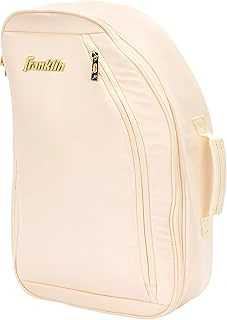
Franklin Sports Parker Pickleball Paddle Bag with Shoulder Strap (Holds 2 Paddles)
The Franklin Sports Parker Pickleball Paddle Bag uses a single shoulder strap design and holds two paddles at $50.39. This is not a backpack, so it lacks the dual-strap weight distribution that spreads load evenly across your back. Instead, the weight concentrates on one shoulder, which can become uncomfortable during longer walks or when carrying additional gear like balls and water bottles.
The tradeoff here is simplicity and lighter overall carrying for minimalists who bring only paddles and perhaps a few balls. If your routine involves very short walks from car to court - under two minutes - and you pack lightly, a single-strap bag can feel less bulky than a full backpack. However, if you need full back support or plan to carry shoes, towels, or multiple accessories, the single-strap configuration will shift weight unevenly and may cause shoulder fatigue.
This bag is best suited for players who prioritize quick access and minimal bulk over long-distance comfort. The 4.6/5 rating suggests users are satisfied when the bag matches their intended use case: light loads and short distances. Before choosing this style, verify your typical gear load and walking distance from parking to court. If you regularly carry more than two paddles and a ball canister, or if you walk more than a few minutes, look for a dual-strap backpack design instead. Review feedback on shoulder comfort can help you confirm whether this single-strap setup fits your specific transport routine.
- ✅ Single shoulder strap design offers quick access and minimal bulk
- ✅ Holds two paddles at $50.39 price point
- ✅ Lighter overall carrying for minimalists with short walks
- ⚠️ Single-strap design concentrates weight on one shoulder
- ⚠️ Lacks dual-strap weight distribution for back support
- ⚠️ Not ideal for longer walks or carrying additional gear beyond paddles
Compartment Layout and Organization Strategy
Compartment layout directly impacts both how quickly you access gear and how comfortably the bag rides on your back. Dedicated paddle sleeves with internal dividers prevent paddles from shifting during transport and keep their rigid edges from pressing into your spine. When paddles move freely inside a single large cavity, they create uneven pressure points that become noticeable during longer walks from the parking lot.
Separate shoe compartments - ideally ventilated and positioned at the bottom of the bag - serve two purposes: they isolate dirt and odor from clean items, and they place the heaviest single object low in the pack where it stabilizes the load rather than pulling backward from the top. A bottom shoe compartment lowers the center of gravity and reduces the torque on your shoulders. Ventilation grommets or mesh panels allow moisture to escape between sessions.
External water-bottle pockets keep hydration accessible without forcing you to unzip the main compartment repeatedly, and when filled symmetrically on both sides, they balance the side-to-side load across your shoulders. Unbalanced weight - a full bottle on one side and an empty pocket on the other - shifts the bag and encourages you to compensate by hiking one shoulder higher, increasing fatigue over time.
Zippered accessory pockets for keys, phone, wallet, and small items prevent clutter from migrating into the main compartment and reduce the need to dig through paddles and balls to find essentials. Poor organization leads to overpacking one side, repeatedly shifting the bag to search for items, and prolonged wear on a single shoulder while you rummage. The result is uneven pressure, longer time under load, and avoidable discomfort that good compartment design prevents.
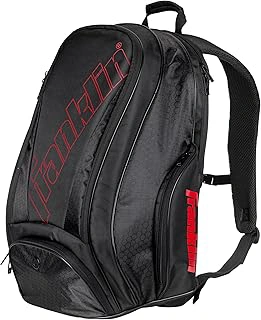
Franklin Sports Deluxe Competition Pro Pickleball Backpack
The Franklin Sports Deluxe Competition Pro Pickleball Backpack sits at the premium end of the Franklin lineup at $79.99, designed for players who carry full gear loads and need durable construction for regular tournament or practice sessions. The "Deluxe Competition Pro" designation suggests this bag prioritizes capacity and organization over the lighter, streamlined designs in Franklin's junior or recreational models.
At 4.4 out of 5 stars, this backpack shares the same rating as Franklin's mid-tier options, which raises an important value question: the extra cost should deliver meaningful upgrades in padding thickness, strap width, or compartment layout to justify nearly double the price of budget models. Players who pack multiple paddles, a full change of clothes, shoes, and hydration gear will benefit most from the increased storage volume, provided the shoulder strap system distributes that heavier load without creating pressure points.
This bag works best for active players who compete regularly and need a go-everywhere solution that can handle the wear of frequent transport. If you're carrying lighter loads or play recreationally once a week, a mid-tier backpack may offer similar comfort at a lower price point. The key decision factor is whether the added compartments and construction quality align with how much gear you actually carry and how often you'll use the bag - premium features matter most when the bag sees heavy, consistent use.
Check the detailed product page to compare strap padding specifications, main compartment dimensions, and user feedback on how the bag handles full loads over time. Look for reviews that discuss comfort after extended wear and whether the organization system keeps heavier items stable and close to your back.
- ✅ Premium construction designed for regular tournament and practice use
- ✅ Larger capacity accommodates multiple paddles, shoes, and full gear changes
- ✅ Deluxe designation suggests upgraded materials and organization features
- ⚠️ At $79.99, nearly double the cost of mid-tier Franklin models with same 4.4/5 rating
- ⚠️ Value depends heavily on gear volume - may be overkill for recreational players
- ⚠️ Specifications on padding thickness and strap width not verified, requiring review research
Features Checklist: Evaluating Back Support and Organization
- Dual padded shoulder straps at least 2 inches wide
- Padded back panel with breathable mesh or foam at least half-inch thick
- Main compartment with individual paddle sleeves to prevent shifting
- Dedicated shoe compartment, ideally ventilated and bottom-positioned
- External water-bottle pockets on both sides for balanced weight
- Sternum strap or chest clip to stabilize load across torso
Backpack vs Sling vs Tote: Choosing the Right Carry Style
The way you carry your pickleball gear directly affects which muscles engage and how weight transfers to your spine and shoulders. Backpacks distribute load across both shoulders and engage your core, making them the most balanced option when you're carrying paddles, balls, shoes, water, and personal items over any distance. Both straps share the work, and when adjusted properly, a backpack keeps the load close to your center of gravity - critical for minimizing strain during walks from parking lot to court or between multiple games in a day.
Sling bags use a single diagonal strap across your chest or back, which creates an asymmetric load. One shoulder and the opposite hip bear most of the weight, and your body compensates by leaning slightly to balance. This style works well for minimal gear - one or two paddles, a few balls, keys, and a phone - and short distances where you value quick access over sustained comfort. If you play several times a week or carry a full kit, that repetitive one-sided load can lead to shoulder fatigue and upper-back tension over time.
Tote bags force you to hand-carry or sling over one shoulder, concentrating weight on your hand, wrist, forearm, or a single shoulder with no meaningful support structure. The lack of padding and the dangling position pull your posture out of alignment, especially when the bag is full. If you experience any existing back, shoulder, or neck sensitivity, totes will amplify discomfort quickly. Reserve this style only for very light loads or when you're moving gear just a few steps.
Match your carry style to your real usage pattern: if you walk more than a couple of minutes, carry a full change of clothes, or play back-to-back sessions, a backpack with padded, adjustable straps and a sternum or hip clip will keep you comfortable. If your gear list is short and your court is close, a sling offers convenience without the bulk. Avoid totes whenever back support and weight distribution matter to your comfort and long-term joint health.
Common Mistakes to Avoid When Choosing a Bag
Prioritizing style or color over strap width and padding is one of the most common mistakes that leads to shoulder discomfort after just a few sessions. Wide, cushioned straps distribute weight across more surface area, reducing pressure points during walks from parking to court. A bag that looks great but features thin straps will quickly become painful when loaded with paddles, balls, water, and shoes.
Overbuying capacity tempts you to pack unnecessary items, which increases load and strain on your back and shoulders. A bag with eight paddle slots might seem practical, but if you typically carry two paddles and a change of clothes, the extra space encourages overpacking. Choose a bag sized for your actual needs rather than hypothetical scenarios.
Ignoring ventilation in shoe compartments causes odor buildup and moisture damage to your gear. Mesh panels or perforated fabric allow airflow that dries sweat and prevents bacteria growth. Without proper ventilation, damp shoes and towels can create unpleasant smells that permeate the entire bag.
Choosing bags without sternum straps becomes a problem if you walk more than five minutes from parking or navigate stairs and hills. A sternum strap pulls shoulder straps inward, stabilizing the load and preventing the bag from swaying side to side as you move. This small feature makes a significant difference in balance and comfort during longer walks.
Assuming all backpacks offer equal support overlooks the fact that materials and design vary widely. Some backpacks use thin foam padding that compresses quickly under weight, while others feature contoured panels that follow the natural curve of your spine. Strap attachment points, load-lifter angles, and back-panel rigidity all affect how weight transfers to your body.
Not testing load balance before committing means you may discover fit issues only after the return window closes. Simulate a full gear load by placing paddles, water bottles, and shoes in the bag, then adjust all straps while wearing it. Walk around, bend forward slightly, and notice whether the bag pulls backward or digs into your shoulders. This simple test reveals comfort problems that aren't obvious when the bag is empty.
Testing and Adjusting Your Bag for Maximum Comfort
Proper adjustment transforms any well-designed pickleball bag into a comfortable carry system, but even premium bags cause shoulder strain and lower-back fatigue when fitted incorrectly. Before your first trip to the court, load the bag completely with your typical gear - paddle, shoes, water bottles, towel, and accessories - then spend five minutes dialing in the fit to match your torso and posture.
Start by loosening all straps, then put the bag on and adjust the shoulder straps so the body of the bag sits high on your back, with the weight centered between your shoulder blades rather than sagging toward your lower back. This high-and-tight position keeps the load close to your center of gravity and reduces the lever arm pulling your shoulders backward. Next, fasten and tighten the sternum strap snugly across your chest; this single adjustment prevents shoulder straps from sliding off your shoulders during movement and stabilizes the entire load. If your bag includes a waist belt, cinch it firmly around your hips to transfer some weight off your shoulders onto your pelvis.
Check that the heaviest items - shoes, full water bottles, extra balls - are positioned low in the bag and pressed against the back panel. Weight that floats away from your spine or rides high near the top creates a pendulum effect, forcing your core to work harder and increasing sway. Walk at least 50 steps in a straight line and then make a few turns; the bag should move with you as a single unit, not bounce or swing side to side, and the straps should rest comfortably on your shoulders without digging into your neck or armpits. If you feel pressure points, readjust strap length in small increments and retest. Proper adjustment is as important as bag design itself - a backpack with wide, padded straps and a ventilated back panel still causes discomfort if the load hangs too low or the sternum strap remains loose, so treat this fitting routine as a required step every time you reorganize your gear or switch bags.
Final Takeaway: Comfort and Organization Work Together
Back support and organization are not separate checkboxes on a feature list - they work together to determine whether a pickleball bag feels comfortable or becomes a burden. Good organization keeps weight balanced across both shoulders and eliminates the need to shift the bag around while digging for items, which reduces asymmetric strain. When compartments are thoughtfully laid out, heavier gear stays close to your back, lighter items sit higher or lower, and nothing shifts during movement. Quality padding and strap design then let you carry that organized, balanced load without pressure points, chafing, or fatigue.
The right bag should disappear on your back. No pinching at the collarbone, no straps digging into your shoulders, no shifting from side to side when you walk. When padding thickness matches your typical gear weight, strap width distributes load evenly, and internal layout keeps items stable, the bag becomes a non-issue - you focus on playing, not managing discomfort.
Whenever possible, try bags with a full gear load before committing. Load two or three paddles, a water bottle, shoes, and a few balls to simulate real-world conditions. Adjust the straps, walk around, and pay attention to how the weight settles. If buying online, read user reviews specifically mentioning back comfort, strap quality, and how the bag feels after fifteen or twenty minutes of wear. Prioritize both comfort and organization when evaluating options, because one without the other leaves you with a bag that looks good on paper but feels wrong in practice.