We may earn a commission when you buy through links on this page, at no extra cost to you. How this works.
Pickleball combines lateral shuffles, quick pivots, and sudden stops - all movements that load your knee joints from multiple angles. If you're playing three or four times a week, that repetitive stress can leave your knees feeling stiff or sore, especially if you're managing arthritis or recovering from an old strain. A knee brace won't fix underlying joint issues, but it can provide compression to reduce swelling, add stability during directional changes, or simply remind you to move more carefully.
The challenge is matching brace type to your specific need. A sleeve offers all-around compression and warmth. A wraparound design with side stays gives targeted lateral support without full immobilization. A hinged brace delivers maximum stability for players who need more structure. Each design has tradeoffs in bulk, breathability, and ease of adjustment, so understanding what you're solving for makes selection straightforward.
Fit and safety come first
Use the comparison as a shortlist, but keep fit, comfort, and any health or safety constraints ahead of price.
Important: When to See a Doctor vs. Using a Brace
A knee brace is a support tool, not a medical device that treats or prevents injury. If you experience sharp pain, significant swelling, locking, or instability that makes your knee feel like it might give out, see a healthcare provider before relying on a brace. Persistent discomfort that doesn't improve with rest also warrants professional evaluation.
Use a brace for general support during activity, mild soreness, or as part of a plan your doctor has already approved. Braces work best when paired with proper warm-up routines, strength exercises, and appropriate footwear. They're a layer of assistance, not a substitute for addressing the root cause of knee pain.
The Main Types of Knee Braces Explained
Sleeves are pull-on tubes of compression fabric - neoprene, nylon, or blended material - that cover the knee completely. They provide even compression around the joint, which can reduce minor swelling and add warmth. Sleeves are lightweight and low-profile, so they fit easily under or over athletic clothing. They're ideal if you want general support without restricting range of motion.
Wraparound braces use hook-and-loop straps for adjustable fit and often include rigid side stays or removable stabilizers. This design lets you dial in compression and adds lateral support to resist side-to-side stress. Wraparounds are easier to put on than sleeves if bending your knee is uncomfortable, and you can loosen them between games.
Hinged braces feature metal or composite hinges on both sides of the knee, mimicking the joint's natural pivot while limiting harmful twisting. They offer the highest level of structural support but add bulk and weight. Hinged designs are best for players recovering from ligament strain or those who need maximum stability during aggressive movement.
What to Look For: Key Features in a Pickleball Knee Brace
Compression level: Moderate compression improves circulation and reduces minor swelling without cutting off blood flow. Look for graduated or consistent pressure across the entire knee.
Breathability: Moisture-wicking fabric with mesh panels or perforations helps manage heat during long matches. Neoprene retains warmth but traps sweat; blended synthetics balance support and ventilation.
Stability features: Side stays, removable stabilizers, or hinges add structure. Decide whether you need all-around compression or targeted lateral support based on your movement patterns.
Adjustability: Wraparound straps let you fine-tune fit and tension. Pull-on sleeves are faster to don but offer less customization once sized correctly.
Patella support: Open-patella designs or adjustable gel pads reduce pressure on the kneecap, which can help if you feel discomfort when bending or kneeling.
Sizing accuracy: Measure your knee circumference at the center of the kneecap and follow the manufacturer's chart. A brace that's too tight restricts movement; too loose and it slides down during play.
How to Get the Right Fit for Maximum Support
Measure your knee circumference at the center of the kneecap with your leg slightly bent, not fully extended. Use a flexible tape measure and record the distance in inches or centimeters, then compare that number to the manufacturer's size chart for the specific model you're considering. Charts vary between brands, so don't assume your size is the same across all braces.
When you first put on the brace, it should feel snug but not restrict circulation or cause numbness. You should be able to bend your knee fully without the fabric bunching behind the joint. If the brace slides down during a few practice swings or light movement, it's too loose; go down one size or tighten the straps if available. If you see skin indentation that doesn't fade within a few minutes after removal, it's too tight.
Wash the brace according to the care label to maintain elasticity. Hand wash or use a gentle machine cycle with cold water, then air dry. Heat from a dryer can degrade elastic fibers and shorten the brace's effective lifespan. Replace the brace when compression feels noticeably weaker or fabric starts to fray, typically after several months of regular use.
Playing Smarter to Protect Your Knees
A well-fitted brace supports your knee during play, but it works best when combined with smart movement habits. Warm up before every session with dynamic stretches that take your knees through their full range of motion - leg swings, gentle lunges, and step-throughs prepare joints for quick direction changes. Cool down afterward with static stretches to maintain flexibility.
Focus on footwork that distributes impact evenly. Instead of lunging hard with one leg absorbing all the force, use short shuffle steps to reposition and keep your weight balanced. Strengthening the muscles around your knee - quadriceps, hamstrings, and calves - provides natural stability that reduces stress on the joint itself. Simple exercises like bodyweight squats, step-ups, and calf raises can make a measurable difference over time.
Pay attention to court surface. Hard concrete generates more impact than cushioned gym floors or outdoor courts with rubberized layers. If your knees feel worse on certain surfaces, consider adjusting your play schedule or investing in court shoes with better shock absorption. The right brace helps, but it's just one part of a broader strategy to keep playing comfortably for years.
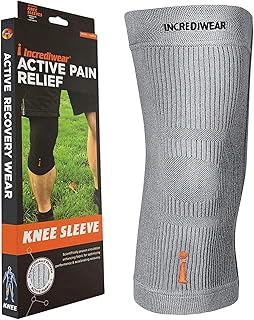
Incrediwear Knee Sleeve for Pain Relief and Support
This pull-on sleeve uses a seamless, compression-focused design that's easy to wear under athletic pants or shorts. The fabric blend provides consistent pressure around the entire knee without bulky reinforcements, making it a good fit for players who want general support without restricting movement. It's lightweight enough that you may forget you're wearing it after the first few minutes of play.
Because it's a sleeve with no straps or hinges, adjustability is limited to choosing the correct size at purchase. The open-patella cutout reduces direct pressure on the kneecap, which can be helpful if you experience discomfort during lunges or deep bends. Imagine wearing this during a doubles match where you're moving side to side frequently but don't need heavy lateral bracing - it adds a layer of compression and warmth without changing how you move.
Check the sizing chart carefully and measure at the center of your kneecap for best results. If you need more targeted side support or prefer adjustable straps, consider a wraparound or hinged option instead.
- ✅ Seamless pull-on design fits discreetly under clothing
- ✅ Even compression without bulk or rigid components
- ✅ Open-patella cutout reduces kneecap pressure
- ⚠️ No adjustable straps for custom fit
- ⚠️ Limited lateral stability compared to wraparound designs
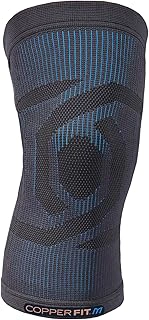
Copper Fit Mobilizer ProSeries Knee Sleeve with Removable Side Stabilizers
This sleeve combines the slip-on convenience of compression fabric with removable side stabilizers that slide into built-in pockets. When you want light compression for warm-up drills, leave the stabilizers out. For match play or drills that involve quick direction changes, insert the stays to add lateral structure. That flexibility makes it a practical choice if your support needs vary day to day.
The wraparound strap at the top lets you adjust tension independently of the sleeve's overall compression, helping keep the brace in place during extended play. Copper-infused fabric is marketed for odor resistance, which can be helpful if you wear the brace multiple sessions per week. Picture using this during a tournament day where your first match is a light social game and your second is more competitive - you can adapt the brace's support level between rounds.
Measure your knee circumference and refer to the size chart before ordering. If you prefer a brace that's always maximally supportive, a hinged design may be simpler than managing removable components.
- ✅ Removable stabilizers let you adjust support level
- ✅ Adjustable wraparound strap prevents slipping
- ✅ Copper-infused fabric for odor management
- ⚠️ Managing removable parts adds a step
- ⚠️ Less rigid than a full hinged brace
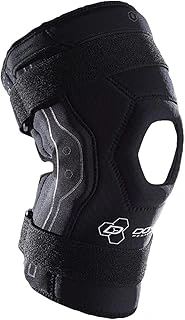
DonJoy Performance Bionic Hinged Knee Brace with Adjustable Patella Support
This hinged brace uses bilateral metal supports that follow the knee's natural motion while limiting harmful twisting and hyperextension. The hinges add noticeable structure, making it the most supportive option in this group for players who need maximum stability during aggressive lateral movement or recovery from a ligament strain. The adjustable gel buttress over the kneecap lets you fine-tune pressure distribution, which is useful if you experience discomfort in that area.
Multiple hook-and-loop straps above and below the knee let you customize compression at each zone, but the tradeoff is added bulk and a longer donning process compared to a simple sleeve. The moisture-wicking fabric helps manage heat, though any hinged brace will feel warmer than a lightweight compression sleeve. Imagine wearing this if you're returning to play after a few weeks off due to knee soreness and want confidence that your joint won't twist unexpectedly during a hard pivot.
Measure carefully and ensure the hinges align with your natural knee joint. If you prioritize low profile and ease of use over maximum structural support, a sleeve or wraparound may be more comfortable for everyday play.
- ✅ Bilateral hinges provide maximum structural stability
- ✅ Adjustable gel buttress for targeted kneecap support
- ✅ Multiple straps allow zone-specific compression
- ⚠️ Bulkier and heavier than sleeve designs
- ⚠️ Longer setup time with multiple straps
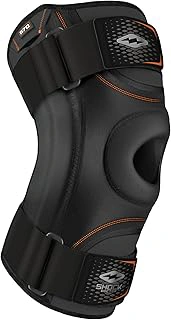
Shock Doctor Compression Knee Brace for Stability
This compression brace balances support and breathability with a blend of nylon and spandex fabric that includes ventilated zones to reduce heat buildup. It uses a pull-on sleeve construction with integrated side supports sewn into the fabric, so you get lateral stability without the bulk of external hinges or removable stays. The design is streamlined enough to wear under loose athletic pants without feeling restrictive.
The compression level is moderate, providing consistent pressure around the knee to support circulation and reduce minor swelling during play. It's a middle ground between a basic sleeve and a full hinged brace - more structure than a simple tube, less bulk than metal hinges. Imagine wearing this during a busy week when you're playing four days in a row and want reliable support that doesn't require daily adjustment or removal of components.
Sizing is critical for this pull-on design, so measure your knee circumference and compare against the chart. If you need maximum adjustability or heavy-duty lateral bracing, a wraparound or hinged option will give you more control.
- ✅ Integrated side supports add stability without external hinges
- ✅ Ventilated fabric zones improve breathability
- ✅ Streamlined pull-on design for quick use
- ⚠️ No adjustable straps for custom tension
- ⚠️ Less rigid than a hinged brace for heavy lateral stress