We may earn a commission when you buy through links on this page, at no extra cost to you. How this works.
Tennis elbow - or lateral epicondylitis - is one of the most common overuse injuries in pickleball, caused by repetitive stress on the forearm muscles and tendons. While proper technique, rest, and conditioning are essential for managing arm discomfort, your paddle plays a meaningful role in how much strain reaches your elbow with every shot.
The right paddle can reduce vibration, distribute impact more evenly, and minimize the shock that travels up your arm. The wrong paddle - one that's too heavy, too stiff, or poorly balanced - can amplify those forces and make existing discomfort worse or slow your recovery.
Three paddle characteristics have the biggest impact on arm comfort:
- Vibration dampening: Paddles with softer cores and shock-absorbing materials reduce the harsh feedback that travels through your hand and forearm on off-center hits.
- Weight and balance: Lighter paddles (typically under 8 ounces) and head-light balance points require less muscle effort to maneuver, reducing cumulative strain over long play sessions.
- Grip design: Ergonomic grips with cushioning and appropriate circumference help you maintain a relaxed hold, preventing the white-knuckle tension that transfers stress to your elbow.
It's important to set realistic expectations: switching paddles won't cure tennis elbow on its own. Think of an arm-friendly paddle as one part of a broader comfort strategy that includes proper warm-up, strengthening exercises, technique adjustments, and adequate rest between sessions. But when you're already doing those things, the right equipment can make a noticeable difference in how your arm feels during and after play.
In this guide, we've identified four paddles that prioritize arm comfort through thoughtful construction and design. Each offers a different balance of power, control, and shock absorption, so you can find the option that fits your playing style without sacrificing comfort.
Quick comparison
| PickGrip Pickleball Paddle with Enhanced Comfort Grip, Shock Absorption & Bonus Overgrip | Check current price and availability |
| HEAD Radical Tour Grit Pickleball Paddle | See HEAD Radical Tour specs |
| Hesacore Pickleball Paddle Gel Grip | View Hesacore grip details |
Fit and safety come first
Use the comparison as a shortlist, but keep fit, comfort, and any health or safety constraints ahead of price.
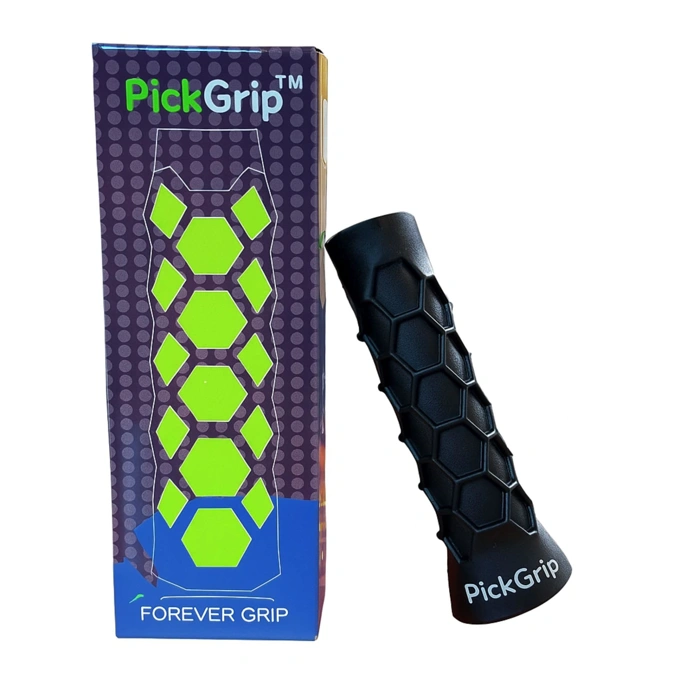
PickGrip Pickleball Paddle with Enhanced Comfort Grip, Shock Absorption & Bonus Overgrip
The PickGrip Pickleball Paddle is designed with features that address the specific concerns of players dealing with arm discomfort. At $15.95, it provides an accessible entry point for those seeking a paddle that prioritizes vibration reduction and comfort.
The paddle incorporates shock absorption technology into its construction, which works to dampen the vibrations that typically travel up the paddle face and into your arm during ball contact. This design approach reduces the repetitive stress that can aggravate sensitive elbows and forearms during extended play sessions.
The enhanced comfort grip is engineered to fit naturally in your hand while distributing pressure more evenly across your palm and fingers. This balanced grip surface helps minimize the tight clenching that often contributes to arm strain. The included bonus overgrip gives you the option to customize the handle thickness and texture to match your individual grip preference and hand size.
With a 4.4 out of 5 rating, the paddle has earned positive feedback from users who appreciate the combination of arm-friendly features at a budget-conscious price point. The shock absorption and comfort-focused grip make this paddle particularly suitable for players who need to manage vibration transfer without investing in premium-tier equipment.
The tradeoff with this price range is that you won't find the advanced materials or precision engineering of higher-end paddles, but for players whose primary goal is reducing arm stress while learning proper technique and stroke mechanics, the PickGrip delivers targeted features where they matter most.
- ✅ Shock absorption technology reduces vibration transfer to arm
- ✅ Enhanced comfort grip distributes pressure evenly
- ✅ Bonus overgrip included for grip customization
- ✅ Accessible $15.95 price point
- ✅ 4.4/5 rating from users
- ⚠️ Budget construction may lack durability of premium paddles
- ⚠️ Limited advanced materials compared to higher-priced options
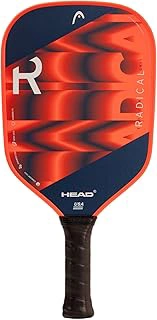
HEAD Radical Tour Grit Pickleball Paddle
The HEAD Radical Tour Grit sits at the opposite end of the design spectrum from pure shock-absorption paddles. Instead of foam layers or dampening systems, this paddle uses a textured grit surface to generate spin and control with less swing effort - a different path to reducing repetitive strain.
When you rely on surface texture rather than power to place the ball, you naturally swing lighter. That reduced swing speed and effort translate to less vibration transmitted up the arm on every contact. Players who value precision often find this control-first approach helps them avoid the aggressive, arm-jarring swings that aggravate elbow discomfort.
At $28.99, the HEAD Radical Tour Grit offers an affordable entry point for players testing whether a control-oriented paddle suits their arm better than a shock-absorbing design. The grit surface grips the ball during contact, allowing you to guide shots with feel rather than force.
Compared to the PickGrip Pickleball Paddle, the HEAD Radical Tour sacrifices dedicated vibration-dampening technology in favor of spin and placement control. If your elbow pain stems from over-swinging or compensating for missed shots, the Radical Tour's precision may reduce strain by improving consistency. If vibration itself is your primary concern, a paddle with explicit shock-absorption features will serve you better.
The tradeoff is straightforward: this paddle won't cushion impact the way foam-core or dampening-system paddles do, but it may help you avoid the hard swings that create that impact in the first place. Players who already have solid technique and want to refine touch while protecting their arm will appreciate the control-comfort balance.
- ✅ Grit surface generates spin with lighter swing effort
- ✅ Control-first design reduces need for aggressive swings
- ✅ Affordable at $28.99
- ✅ Precision placement may improve shot consistency
- ⚠️ No dedicated shock-absorption or dampening system
- ⚠️ Less effective for players whose discomfort stems directly from vibration
- ⚠️ Control benefits require existing technique to maximize
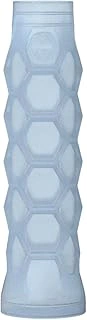
Hesacore Pickleball Paddle Gel Grip
The Hesacore Pickleball Paddle Gel Grip offers a budget-friendly alternative to buying a new paddle if you're dealing with arm discomfort. Priced at $27.90, this grip upgrade replaces your existing paddle handle with an ergonomic hexagonal design that changes how your hand interacts with the paddle.
The hexagonal surface creates more contact points between your hand and the grip, which distributes pressure more evenly across your palm and fingers. This geometry means you don't need to squeeze as tightly to maintain control during volleys and serves. Less grip tension typically translates to reduced strain traveling up through the wrist and forearm - exactly what players with tennis elbow want to avoid.
The gel construction adds a layer of cushioning that standard paddle grips don't provide. While it won't absorb vibration as effectively as a paddle built with specialized core materials, it does soften the feedback your hand receives on off-center hits. The grip fits most standard pickleball paddle handles, making it a practical first step before committing to a full paddle replacement.
The tradeoff is that you're still playing with your current paddle's core and face materials. If your paddle generates harsh vibration from the core itself, a grip upgrade will only address part of the problem. The Hesacore works best when paired with a paddle that already has reasonable shock-dampening characteristics but suffers from a thin or uncomfortable handle.
Installation is straightforward - remove your old grip and wrap the Hesacore onto the bare handle. The hexagonal ridges do add slight bulk compared to a traditional overgrip, which some players with smaller hands may need to adjust to during the first few sessions.
This grip upgrade makes sense if you like your current paddle's weight, balance, and playing characteristics but find the handle uncomfortable during longer play sessions. It's a cost-effective test to see whether grip ergonomics alone can reduce your arm strain before investing in a new paddle designed specifically for shock absorption.
- ✅ Affordable upgrade at $27.90 versus buying new paddle
- ✅ Hexagonal design reduces grip pressure and hand fatigue
- ✅ Gel construction adds cushioning for off-center hits
- ✅ Fits most standard pickleball paddle handles
- ⚠️ Doesn't address vibration from paddle core itself
- ⚠️ Added bulk may require adjustment for smaller hands
- ⚠️ Limited impact if existing paddle generates harsh shock
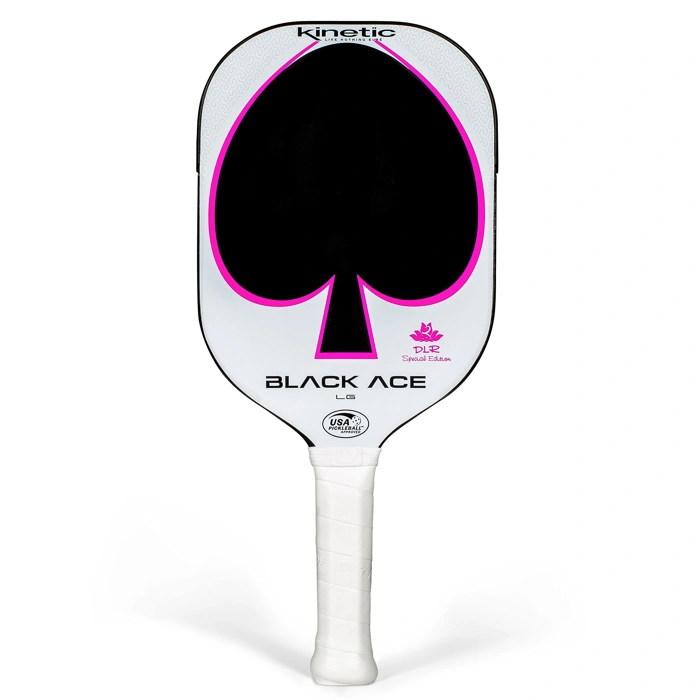
PROKENNEX Black Ace LG Pickleball Paddle
The PROKENNEX Black Ace LG sits at the premium end of arm-friendly paddles, priced at $201.98. This paddle is designed for players who experience persistent arm discomfort and are willing to invest in advanced vibration-dampening technology for long-term comfort.
PROKENNEX's approach centers on reducing the shock transmitted to your arm during play. The construction aims to absorb impact energy before it reaches your elbow and forearm, which matters most during extended sessions or when you're playing multiple times per week. This paddle positions itself as a solution for serious players who haven't found adequate relief from mid-range options.
The "LG" designation indicates a larger grip circumference, which can help players who find that thicker handles reduce strain by distributing pressure across more surface area. If you tend to grip tightly during play - a common compensation when dealing with arm discomfort - the larger handle may encourage a more relaxed hold.
At this price point, you're paying significantly more than budget-friendly alternatives. The tradeoff is straightforward: if you play pickleball three or more times weekly and moderate-priced paddles haven't adequately reduced your arm strain, the investment in advanced dampening technology may prove worthwhile. For occasional players or those just beginning to experience mild discomfort, starting with a lower-priced option makes more sense - you can always upgrade if needed.
The paddle carries a 4.2 out of 5 rating, suggesting most users find the performance meets expectations, though individual arm anatomy and playing style will determine whether the premium features deliver noticeable benefits for your specific situation.
Consider this paddle if you've already tried lighter-weight and softer-core options without sufficient relief, if you play frequently enough that cumulative strain is a real concern, and if your budget allows for a long-term comfort investment. Skip it if you're new to arm-friendly paddles or play only once or twice per week - you'll want to establish whether less expensive shock-absorbing models meet your needs first.
- ✅ Advanced vibration-dampening technology designed to reduce arm strain
- ✅ Larger grip (LG) distributes pressure across more hand surface area
- ✅ Built for frequent players with persistent arm discomfort
- ⚠️ Premium price at $201.98 may not be justified for occasional players
- ⚠️ Significant cost difference from mid-range alternatives without guaranteed proportional benefit
- ⚠️ Larger grip circumference may not suit players who prefer smaller handles
What to Look For in an Arm-Friendly Paddle
When you're choosing a paddle to reduce arm strain, a few specifications matter more than others. Understanding these features will help you narrow down options and find a paddle that works with your arm, not against it.
Weight: 7.0 - 7.8 ounces is the sweet spot. Lighter paddles require less effort to swing and recover, which means less stress on your elbow and forearm. Paddles below 7 ounces may feel too light to control, while those above 8 ounces demand more muscle engagement on every stroke. The paddles in this guide fall within or near this range to balance comfort and playability.
Core material absorbs shock. Polymer cores - especially thicker honeycomb designs - dampen vibration better than thin or hard cores. When the ball strikes the paddle face, a polymer core spreads impact energy across a wider area, reducing the sharp feedback that travels up your arm. Paddles with softer, more cushioned cores tend to feel quieter and gentler on the elbow.
Grip circumference affects squeeze effort. A grip that fits your hand comfortably reduces the need to clench tightly. Most players find a 4¼-inch circumference manageable, but if you have smaller hands, a 4-inch grip may feel more natural. Oversized grips can force you to squeeze harder to maintain control, which increases forearm tension over time.
Handle length provides leverage. Standard handles (around 5 inches) work for most players, but longer handles (5¼ to 5½ inches) allow for two-handed backhands and give you more leverage on volleys. That extra length can take pressure off your wrist and elbow by letting larger muscle groups do more of the work.
Face texture and surface finish. Smooth or lightly textured surfaces tend to produce less jarring feedback than heavily gritty faces. While texture helps with spin, an overly rough surface can increase vibration, especially on off-center hits. Look for paddles with controlled texture that balances spin potential and comfort.
Balance point and feel. Head-light paddles (where more weight sits in the handle) are easier to maneuver and reduce strain during fast exchanges. Head-heavy paddles offer more pop but require more wrist and forearm engagement. For arm comfort, a neutral or slightly head-light balance is usually a safer bet.
When comparing paddles, prioritize these attributes over aggressive power specs or extreme spin claims. A paddle that absorbs shock, fits your hand, and stays within the 7.0 - 7.8 oz range will give your arm the best chance to recover and perform round after round.
Other Tips for Managing On-Court Arm Discomfort
Even the most arm-friendly paddle works best when paired with smart habits on and off the court. A few simple adjustments to your routine can make a noticeable difference in comfort and help you enjoy longer sessions without strain.
Warm up before you play. Spend five to ten minutes doing gentle arm circles, wrist flexion and extension stretches, and light shoulder rolls. Getting blood flow to your forearm and elbow muscles prepares them for repetitive motion and reduces the shock of that first hard hit.
Check your grip pressure. Many players squeeze the paddle handle much harder than necessary, especially during rallies or when feeling fatigued. A firm but relaxed grip - tight enough for control but loose enough that your knuckles aren't white - reduces the load traveling up your forearm with every shot.
Shorten your sessions when discomfort appears. Pushing through early warning signs often turns minor soreness into persistent trouble. If you feel a dull ache or tightness during play, take a break or call it a day. Consistency over weeks matters more than one long session.
Rotate your paddle hand occasionally. If you're ambidextrous or working on off-hand skills, even a few minutes of play with your non-dominant hand gives your primary arm a rest and spreads the workload.
Pay attention to court surface and ball choice. Softer outdoor balls and cushioned court surfaces absorb more impact than hard indoor balls and concrete. When possible, choose environments that reduce the shock reaching your arm.
Consider professional guidance if discomfort persists. A physical therapist or sports medicine professional can assess your specific situation, identify movement patterns that may contribute to strain, and recommend targeted exercises or adjustments. Persistent or worsening discomfort deserves more than gear changes alone.
These strategies work alongside paddle selection - not instead of it. The right paddle reduces vibration and impact, while smart habits ensure your body is ready to handle the game's demands comfortably over the long term.
Our Final Thoughts
Choosing the best pickleball paddle for tennis elbow comes down to matching the right features to your specific needs. The PickGrip offers excellent shock absorption at a mid-range price, making it a strong value choice for players looking to reduce arm strain without breaking the bank. The HEAD paddle appeals to control-focused players who want a comfortable option with a familiar brand reputation. The Hesacore grip presents an accessible upgrade path if you're happy with your current paddle but need better ergonomics. And the PROKENNEX delivers premium vibration dampening technology for players who need maximum shock reduction and are willing to invest accordingly.
The right paddle depends on three key factors: how often you play, your budget, and your current discomfort level. If you're playing multiple times per week and experiencing consistent elbow pain, prioritizing shock absorption and lighter weight becomes essential. Occasional players with mild discomfort may find that a grip upgrade or a moderately cushioned paddle provides enough relief. Budget-conscious players should focus on paddles that offer proven dampening features rather than chasing premium materials that may not deliver proportional comfort gains.
Focus your decision on fit and feel rather than brand loyalty. A paddle that works beautifully for your doubles partner may not suit your swing mechanics or grip style. Pay attention to weight distribution, handle circumference, and how the paddle absorbs impact during volleys and baseline exchanges. The goal is to find a combination of materials, weight, and grip design that lets you play longer with less strain, not simply to buy the most expensive or heavily marketed option.
Beyond equipment, consider your overall approach to court comfort. Proper warm-up routines, appropriate grip pressure, and strategic rest between sessions all contribute to reducing elbow strain. Pairing an arm-friendly paddle with smart playing habits gives you the best chance of enjoying pickleball without discomfort.
Paddle Compatibility: Does It Match Your Play Style?
- Weight feels balanced when holding paddle at playing position, not head-heavy
- Grip circumference allows relaxed hold without excessive squeezing
- Paddle length provides adequate reach for your court positioning preference
- Core material specifies vibration dampening or shock absorption technology
- Surface texture matches your need for control versus power generation
- Price point aligns with play frequency and existing arm discomfort severity