We may earn a commission when you buy through links on this page, at no extra cost to you. How this works.
Arthritis changes how your hands interact with a paddle. Stiff joints, reduced grip strength, and sensitivity to vibration can turn a fun match into a painful ordeal. A standard factory grip often lacks the cushioning and thickness needed to reduce strain on your fingers and wrist.
The right grip absorbs shock, lets you hold the paddle with less squeezing force, and distributes pressure more evenly across your palm. These changes can add hours of comfortable play to your week. Before you shop, understand which grip features address your specific needs: material softness, cushioning depth, surface texture, and overall thickness all play distinct roles in comfort and control.
Understanding Key Grip Features for Comfort and Control
Not all grips solve the same problem. Cushioning absorbs impact so your joints feel less jarring force with each hit. Thickness builds up the handle circumference, which can reduce the grip strength required and improve leverage. Tackiness - how sticky the surface feels - determines how tightly you need to squeeze to keep the paddle secure.
Material matters too. Polyurethane foam offers excellent shock absorption but can feel less precise. Synthetic leather or textured rubber blends provide better feedback and durability, though they may transmit more vibration. Evaluate your priorities: if vibration bothers you most, prioritize cushioning. If your fingers cramp from gripping too hard, look for thicker builds and tackier textures. Matching features to your specific discomfort gives you the best chance of playing pain-free.
Grip Material: Finding the Balance Between Softness and Feel
Soft foam grips excel at shock absorption, making them a natural choice when joint pain is your primary concern. They compress slightly under pressure, creating a forgiving surface that reduces the impact transmitted to your hand. The tradeoff is reduced paddle feedback - you may feel less connected to the ball, which can affect shot precision.
Textured synthetic materials offer a middle path. They provide enough cushioning to dull vibration while maintaining better surface feel. This helps with touch shots and dinking, where paddle angle and control matter more than raw power. If you play three or four times a week and value both comfort and finesse, a textured cushion grip often delivers the best blend of protection and performance.
Cushioning and Thickness: How to Maximize Shock Absorption
Grip thickness directly affects both comfort and control. A thicker grip reduces the distance your fingers need to wrap around the handle, which can ease the strain on joints and tendons. It also dampens vibration by adding more material between your hand and the paddle core.
Most standard grips measure around 4 to 4.5 inches in circumference. Adding a cushioned replacement grip can increase that by an eighth of an inch or more, while layering an overgrip on top adds another small increment. If your fingers ache during long rallies, experiment with building up the handle incrementally. Too thick, and you may lose wrist mobility; too thin, and you'll grip harder than necessary. The goal is a diameter that lets you hold the paddle securely without clenching.
Tackiness and Texture: Get a Secure Hold with Less Squeezing
A tacky surface grips your palm naturally, so you don't need to squeeze as hard to keep the paddle from twisting. This is especially helpful if you have reduced hand strength or if gripping tightly aggravates your arthritis. Look for grips with a slightly sticky feel or textured patterns that create friction without feeling abrasive.
Tackiness does fade over time, especially if your hands sweat heavily or if you play outdoors in dusty conditions. Overgrips are an affordable way to refresh that sticky feel without replacing the entire base grip. If you notice your hand slipping or if you're gripping harder than you did a month ago, it's time to change the top layer. Maintaining consistent tackiness reduces the daily strain on your joints.
Replacement Grips vs. Overgrips: What's the Best Approach?
Replacement grips are thicker and replace your paddle's original base layer. They add cushioning and increase handle circumference, making them the right choice if your stock grip is too thin or worn out. Overgrips are thin wraps that layer on top of your base grip. They restore tackiness and can fine-tune the final diameter, but they add minimal shock absorption.
If arthritis is your main concern, start with a cushioned replacement grip to establish a comfortable foundation. Then, layer an overgrip on top to maintain a fresh, tacky surface. This combination gives you the best of both worlds: the shock dampening of a thick base and the secure hold of a fresh top layer. When the overgrip wears out, you can replace it without disturbing the cushioned base underneath. This approach is both cost-effective and adaptable to changing conditions.
Tips for Installing a New Grip for Maximum Comfort
Start with a clean handle. Remove the old grip completely and wipe down any adhesive residue. For replacement grips, peel back the adhesive strip gradually as you wrap, maintaining slight tension to avoid wrinkles. Overlap each pass by about a quarter of the grip width, working from the butt cap toward the paddle face.
If you're adding an overgrip, start at the bottom and spiral upward with consistent overlap. Smooth out any bubbles as you go, and finish by securing the end with the included adhesive strip or finishing tape. Once installed, hold the paddle and mimic a few swings. The grip should feel secure without requiring a tight squeeze. If it feels too thick, remove one layer; if it feels slippery, consider a tackier overgrip. Small adjustments now can prevent discomfort during your next match.
Making an Informed Choice for Pain-Free Play
Choosing the right grip for arthritic hands means matching features to your specific discomfort. Prioritize cushioning if vibration bothers you, thickness if your fingers cramp from squeezing, and tackiness if your paddle slips during play. Start with a cushioned replacement grip to build a solid foundation, then layer an overgrip to keep the surface fresh.
Test your setup over a few sessions and adjust as needed. Your hands will tell you what works - less soreness, better control, and longer play without pain are the signs you've found the right combination. With the right grip, you can focus on strategy and enjoy the game instead of managing discomfort.
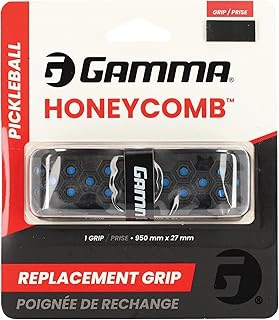
Gamma Honeycomb Cushion Replacement Grip for Pickleball Paddles
This cushioned replacement grip uses a honeycomb foam pattern designed to absorb shock and dampen vibration. At $8.99, it offers an affordable way to upgrade your paddle's base layer without replacing the paddle itself. The foam compresses slightly under pressure, which can feel more forgiving on stiff fingers and wrists.
Imagine you're playing a long doubles match on a cool morning. Your hands are a bit stiffer than usual, and every hard return sends a jolt up your arm. Swapping in a cushioned base grip like this one can reduce that jarring sensation, letting you focus on placement instead of discomfort. Because it's a replacement grip, you'll remove your paddle's factory grip first, which gives you a chance to adjust the overall handle size. If your current grip feels too thin, this adds noticeable thickness and softness. Check the circumference before installing to make sure the final diameter suits your hand size.
- ✅ Honeycomb foam absorbs shock effectively
- ✅ Affordable base upgrade
- ✅ Adds thickness for better leverage
- ⚠️ May reduce paddle feedback slightly
- ⚠️ Tackiness can fade with heavy use
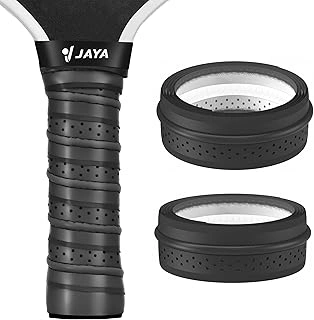
JAYA Extra-Length Pickleball Paddle Overgrip Tape, Black
This overgrip is designed with extra length, which makes installation easier and gives you more coverage on longer handles. Priced at $8.99, it's a straightforward option for refreshing your paddle's top layer without removing the base grip. Overgrips are thinner than replacement grips, so they add minimal bulk while restoring tackiness.
Picture yourself playing outdoors on a humid afternoon. Your hands sweat more, and your paddle starts to slip during quick exchanges at the net. An overgrip like this can restore a secure hold without requiring a full grip replacement. The extra length means you can wrap generously around the bevels, ensuring consistent coverage from bottom to top. Because it's an overgrip, you can swap it out frequently - every few weeks if you play often - to maintain a fresh, tacky surface. This keeps your grip pressure low and reduces the strain on your fingers and wrist joints.
- ✅ Extra length simplifies installation
- ✅ Restores tackiness affordably
- ✅ Adds minimal thickness
- ⚠️ Provides less cushioning than a replacement grip
- ⚠️ Needs frequent replacement for best performance
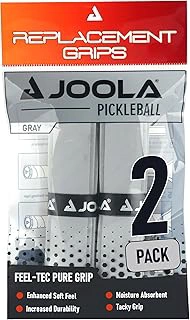
JOOLA Pickleball Paddle Replacement Grip Tape
JOOLA's replacement grip is priced at $10.00 and offers a balance of cushioning and surface texture. It's designed to replace your paddle's factory grip entirely, giving you a fresh base layer with enhanced shock absorption. The slightly higher price point reflects durable construction that holds up through regular play.
Suppose you've been playing with a thin stock grip and notice your knuckles ache after every session. Installing a cushioned replacement like this one can make a noticeable difference by adding both thickness and vibration dampening. The textured surface provides enough tackiness to reduce grip pressure, while the foam core softens the impact of each shot. If you play several times a week, this grip can extend your comfortable playing time and reduce post-game soreness. Before buying, confirm your paddle's handle length to ensure full coverage during installation.
- ✅ Durable construction for frequent play
- ✅ Balanced cushioning and texture
- ✅ Replaces worn factory grips completely
- ⚠️ Slightly higher price than budget options
- ⚠️ Requires careful measurement for proper fit
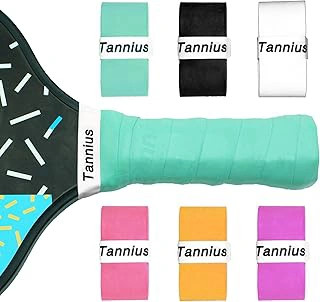
Tannius Pickleball Paddle Overgrip 6-Pack
This six-pack of overgrips is priced at $8.99, making it a budget-friendly option for players who prefer to change their top layer frequently. Each overgrip is thin and tacky, designed to layer over your existing base grip without adding significant bulk. The multi-pack format means you can refresh your paddle every few weeks without worrying about running out.
Imagine you're playing in a league that meets twice a week. After a month, your overgrip starts to feel slick, and you notice you're squeezing harder to keep control. Having a supply of fresh overgrips on hand lets you swap in a new one before the next session, maintaining consistent tackiness and reducing the force required to hold the paddle. Because these are overgrips, they won't add the cushioning of a replacement grip, but they're ideal if your base grip is already comfortable and you just need to restore the surface feel. Keep a roll in your gear bag so you're never caught with a worn-out grip.
- ✅ Six-pack offers excellent value
- ✅ Easy to replace frequently
- ✅ Maintains tackiness with regular swaps
- ⚠️ Thin design provides minimal cushioning
- ⚠️ Not a replacement for a worn base grip