We may earn a commission when you buy through links on this page, at no extra cost to you. How this works.
When people talk about pickleball, the conversation usually centers on how it gets you moving, builds strength, or improves balance. Those benefits are real, but they miss the bigger picture. For older adults, the mental and emotional rewards of stepping onto the court can be even more profound than the physical ones.
Leaving your home to meet friends, laughing until your sides hurt, feeling the sun on your face, and engaging your brain in quick decisions - all of these experiences combine to create a powerful mental health toolkit. Pickleball isn't just a game. It's a social event, a cognitive workout, and an emotional reset all rolled into one. Understanding how these elements work together can help you see why so many seniors describe pickleball as life-changing, not just exercise.
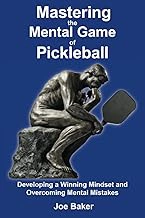
Mastering the Mental Game of Pickleball
This book focuses on the psychological side of pickleball, offering insights into how mindset shapes performance and enjoyment. It covers strategies for staying calm under pressure, managing frustration, and building confidence on the court. The approach is practical, giving you tools to apply during your next game rather than abstract theory.
Imagine you've just lost three games in a row and feel yourself getting tense and irritable. This resource helps you recognize those patterns and shift your internal dialogue, turning a downward spiral into a learning opportunity. At $17.95, it's an affordable entry point for anyone curious about the mental dimension of the sport. The 4.6 rating reflects readers who found the content both accessible and actionable, especially for players who want to improve their experience beyond just technique.
Explore mental strategies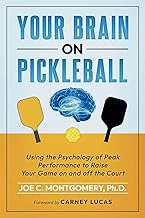
Your Brain on Pickleball
This resource digs into the neurological and cognitive benefits of playing pickleball, explaining how the game supports brain health as you age. It connects the dots between physical movement, social interaction, and mental sharpness, making the case that pickleball is one of the most brain-friendly activities available to older adults.
If you've ever wondered why you feel so mentally energized after a game, this book provides the science behind that sensation. It's written for a general audience, so you won't need a medical background to understand the concepts. At $14.97 and rated 5.0, it has resonated strongly with readers looking for evidence-based reasons to keep playing. Picture yourself using this information to convince a hesitant friend to join you on the court - you'll have plenty of compelling arguments at your fingertips.
Learn the brain science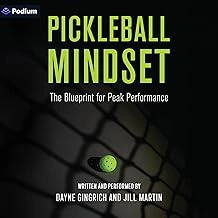
Pickleball Mindset: The Blueprint for Peak Performance
Focused on building a resilient and positive mindset, this resource offers a structured approach to improving your mental game. It covers goal-setting, visualization, and techniques for staying present during play. The emphasis is on consistency and long-term growth rather than quick fixes.
Available at no cost, this is an easy resource to try if you're curious about how psychology affects your performance. Rated 4.6, it appeals to players who want a methodical framework for mental improvement. Imagine you're struggling with anxiety before games or feel your focus drifting during long rallies. This blueprint gives you step-by-step practices to address those challenges. The accessibility makes it a low-risk starting point for anyone ready to take their mental approach more seriously.
Get the mindset blueprintThe Power of Social Connection on the Court
Loneliness and social isolation are significant health risks for older adults, often comparable to smoking or obesity in their effects. Pickleball creates a natural antidote by bringing you into regular contact with others who share your interest. Unlike solitary exercise, every game involves conversation, teamwork, and shared moments of triumph or frustration.
The structure of pickleball makes socializing almost unavoidable. You rotate partners, wait between games, and naturally strike up conversations about strategy or that last impossible shot. Imagine showing up three mornings a week to the same group of familiar faces. You start to know their playing styles, their sense of humor, their life stories. This regular rhythm builds relationships that extend beyond the court - coffee meetups, lunch plans, genuine friendships that combat the isolation many retirees face.
How Play and Laughter Boost Mood and Reduce Stress
Adults often forget how to play. Work, responsibilities, and routines push playfulness to the margins. Pickleball brings it back. The game invites you to be competitive without being serious, to celebrate a good shot, groan at a mistake, and laugh when things get ridiculous.
That laughter matters more than you might think. When you genuinely laugh or shout in excitement, your body releases tension and floods your system with feel-good chemicals. The emotional range you experience during a game - anticipation, frustration, joy, surprise - keeps you engaged and present. Picture yourself lunging for a ball, missing it by inches, and instead of feeling embarrassed, you and your partner burst out laughing at the absurdity of the moment. Those micro-moments of joy add up, creating a buffer against the stress and worry that can dominate daily life.
The Cognitive Benefits: Keeping Your Brain Sharp While Playing
Pickleball demands constant mental engagement. You track the ball, anticipate your opponent's next move, decide whether to hit hard or soft, adjust your position, and communicate with your partner - all in the span of seconds. This rapid-fire decision-making exercises your brain in ways that passive activities cannot.
The increased blood flow that comes with moderate physical activity delivers oxygen and nutrients to your brain, supporting cognitive function. But pickleball adds a layer of strategy and social interaction that purely aerobic exercise lacks. Learning new skills, remembering scoring rules, and adapting to different playing styles all contribute to keeping your mind flexible and sharp. If you've ever walked off the court feeling mentally tired in a good way, that's your brain getting a workout alongside your body.
Being Outdoors: An Added Mental Health Boost
Whenever possible, playing pickleball outdoors adds another dimension to the mental health benefits. Natural light, fresh air, and open sky create an environment that indoor courts simply cannot replicate. Exposure to sunlight helps regulate your sleep-wake cycle and supports mood stability.
Being outside also shifts your perspective. Instead of staring at walls or screens, you see trees, clouds, and changing light. The sensory richness of an outdoor setting - birds singing, a breeze on your skin, the warmth of the sun - grounds you in the present moment. Even if your local climate limits outdoor play, the times you do get outside become that much more valuable, offering a mental refresh that carries into the rest of your day.
Embrace Pickleball for a Healthier Mind and Body
The physical benefits of pickleball are well-documented, but the mental health rewards deserve equal attention. Regular social connection, genuine laughter, cognitive challenge, and time outdoors combine to create an experience that supports emotional well-being in ways that solitary exercise cannot match.
If you've been playing casually, consider deepening your understanding of the game's psychological dimensions. The resources above offer different entry points - whether you want to improve your mindset, understand the science, or simply enjoy the game more fully. The mental health benefits of pickleball aren't a side effect. They're a central reason why so many older adults find the sport transformative, and why stepping onto the court can be one of the best decisions you make for your overall well-being.