We may earn a commission when you buy through links on this page, at no extra cost to you. How this works.
A clean, well-maintained grip is the foundation of confident pickleball play. Over time, sweat, oils, dirt, and court dust accumulate on your paddle's grip surface, creating a slick layer that reduces friction and compromises your hold. For players who value control and comfort - especially those managing joint sensitivity or seeking a more secure grasp - this buildup matters more than you might expect.
When your grip becomes tacky or slippery, your hand compensates by squeezing harder. That extra tension travels up your forearm and into your wrist, increasing fatigue and strain during longer play sessions. A clean grip restores the natural texture of the surface, allowing you to maintain a relaxed, stable hold without overgripping. This simple shift supports better control over paddle angle, shot placement, and reaction speed.
Grip maintenance isn't about chasing performance gains or extending equipment life indefinitely. It's about creating consistent conditions for your hand every time you step on the court. A grip that feels predictable - free from sticky residue or slick patches - lets you focus on positioning and strategy rather than adjusting your hold mid-rally.
For senior players, this consistency also reduces the risk of the paddle twisting or slipping during quick exchanges at the net. A secure grip means less worry about your equipment and more confidence in your movement. Regular cleaning and timely replacement keep that secure feel intact, ensuring your grip works with you rather than against you as conditions and wear patterns change.
In the sections ahead, you'll find straightforward cleaning techniques, clear signs that indicate when replacement is needed, and affordable tools that make maintenance simple. The goal is to give you a practical routine that fits into your game schedule and keeps your paddle grip ready for comfortable, controlled play.
Who Should Focus on Grip Maintenance
Not every player needs the same grip maintenance routine, but certain groups will see immediate improvements in control and comfort by making it a regular habit.
If you play three or more times a week, your grip absorbs sweat, dirt, and oils faster than occasional players. That buildup reduces traction and makes the paddle feel slippery, especially during longer matches or warm-weather sessions. Frequent players should inspect and clean their grips weekly to maintain a consistent feel.
Players with naturally sweaty hands face the same challenge on an accelerated timeline. Moisture breaks down grip materials more quickly and creates a slick surface that compromises your hold during fast exchanges at the net. A simple cleaning routine after every few sessions helps restore texture and prevents the grip from becoming a liability mid-game.
If you've started noticing your paddle twisting in your hand, or if you're gripping harder to compensate for lost traction, that's a clear signal your grip needs attention. Ignoring these signs often leads to tension in your forearm and wrist, which can affect both your performance and comfort over time.
Maintaining your grip also extends its usable life. Replacing grips prematurely because of dirt buildup or surface degradation is an avoidable expense. A few minutes of care every week can add months to the life of a quality overgrip or replacement grip, making maintenance a practical investment for any player who wants predictable performance without frequent trips to the pro shop.
Finally, anyone concerned about equipment reliability during play should prioritize grip upkeep. A paddle that slips at the wrong moment disrupts timing and can contribute to awkward swings or loss of control. Keeping your grip clean and in good condition helps ensure your paddle behaves the way you expect it to, round after round.
What Matters Most: Materials, Frequency, and Safe Products
Three factors determine how well your cleaning routine preserves grip performance: the material composition of your grip, how often you play, and the products you use. Each grip material responds differently to moisture, pressure, and cleaning agents, so matching your method to your specific grip prevents premature wear.
Cushioned synthetic overgrips - the thin, tacky wraps most recreational players use - tolerate frequent damp-cloth wipes because the polyurethane or similar polymer surface sheds dirt without absorbing much water. These grips handle mild soap solutions well, but avoid soaking them; excess moisture can seep under the wrap and loosen the adhesive bond to the underlying handle or previous grip layer.
Perforated grips, which feature small holes for ventilation and sweat drainage, require extra care during cleaning. Water can enter the perforations and sit against the paddle handle or absorb into foam backing. Use a lightly dampened cloth and press gently rather than scrubbing. Let the grip air-dry completely - at least two hours in open air - before storing the paddle in a case or bag.
Textured replacement grips, often made from rubber compounds or synthetic leather, show better durability with routine cleaning but can harden if you use alcohol-based cleaners or acetone. These solvents strip protective coatings and dry out the grip material, leaving it stiff and slippery. Stick to water with a drop of dish soap, and test any new cleaner on a small, hidden section of the grip before applying it to the entire surface.
Cleaning frequency depends on play volume and hand moisture. If you play two to three times per week, wipe the grip after every session and do a more thorough clean - damp cloth with mild soap - once a week. Daily players benefit from a quick wipe after each outing and a deeper clean every three to four days. Weekend-only players can extend the interval to every two weeks, but inspect the grip for visible grime or a slick feel between cleanings.
Harsh chemicals pose the biggest risk to paddle integrity. Bleach, ammonia-based cleaners, and solvent degreasers can degrade the adhesive that secures the grip and, in some cases, damage the paddle's edge guard or graphite face if runoff makes contact. Carbon fiber and composite surfaces are generally resistant to water and mild detergents, but strong solvents can dull protective coatings and weaken epoxy bonds at the paddle's edge. Always direct cleaning effort to the grip itself and avoid letting liquid run onto the paddle face or into the handle cavity.
For grips with a leather-like finish, use even less water. These grips often have a thin protective layer that can peel or crack when saturated. A barely damp microfiber cloth is enough to lift surface oils and dust. If the grip feels sticky after cleaning, it may have absorbed too much moisture or soap residue; wipe again with a clean, dry cloth and let it air-dry fully before the next use.
Understanding these constraints lets you clean confidently without second-guessing product safety or risking grip damage. Match your method to your grip type, clean as often as your play schedule demands, and choose water-based, mild solutions over anything with a strong chemical smell or solvent base.
How to Clean Your Grip: Step-by-Step
Cleaning your paddle grip doesn't require special equipment or complicated steps. A gentle, consistent approach keeps the surface tacky and comfortable without wearing down the material prematurely.
Start by lightly dampening a clean, lint-free cloth with water. For grips that feel greasy or sticky from lotion or sunscreen, add a single drop of mild dish soap to the water. Wring the cloth until it's just barely damp - excess moisture can seep into the paddle core or loosen adhesive on replacement grips.
Wipe the entire grip surface in smooth, even strokes, working from the butt cap toward the paddle face. Pay attention to the areas where your fingers naturally rest, as oils and dirt concentrate there. If you notice the cloth picking up visible grime, fold it to a clean section and continue.
Once you've wiped the grip, take a clean pencil eraser or grip-specific cleaning block and gently buff any areas that feel slick or glazed. Use light, circular motions - the goal is to lift embedded dirt and refresh the texture, not to abrade the surface. This step is especially helpful for restoring traction on synthetic and perforated grips that have become compressed from use.
Set the paddle on a clean towel in a well-ventilated spot and let it air-dry completely before storing or playing. Avoid direct sunlight or heat sources, which can dry out certain grip materials or loosen adhesive. The entire process takes less than five minutes and can be done as often as weekly during active play seasons.
Before your next session, test the grip by holding the paddle in your normal playing position. The surface should feel slightly tacky and secure, without any slippery patches or residue on your palm. If traction feels inconsistent even after cleaning, it may be time to evaluate whether the grip has reached the end of its usable life.
When to Replace vs. Clean Your Grip
Knowing whether to clean or replace your pickleball paddle grip saves time and keeps your control consistent. A simple visual and tactile check reveals which path makes sense.
Clean the grip when you see visible dirt, sweat buildup, or a slippery film but the surface texture remains intact. If your fingertips still catch on the raised pattern after a quick wipe, cleaning will restore traction. Grips in this condition respond well to a damp cloth or mild soap solution, regaining their original feel within minutes.
Replace the grip when the texture has worn smooth in high-contact zones - typically the thumb and index finger areas - or when the adhesive backing begins to peel or shift during play. If cleaning no longer brings back a secure hold, the material has broken down and new grip tape or an overgrip is the only solution. Thin spots, visible base layer, or a glossy, compressed surface all signal the end of the grip's useful life.
Lifespan varies with play frequency. Players on court four or more times per week often replace grips every four to six weeks, while recreational players who play once or twice weekly may see three to four months of use. Hot, humid conditions accelerate breakdown, as do aggressive gripping styles and frequent slide adjustments during play.
A reliable replacement schedule balances cost and performance. Keep a spare grip in your bag so you can swap at the first sign of persistent slip, rather than waiting for complete failure mid-game. This approach maintains confidence in your hold and prevents the compensation habits that develop when traction fades gradually.
Common Mistakes to Avoid
Even with good intentions, it's easy to make cleaning mistakes that shorten your grip's life or damage your paddle. Knowing what to avoid helps you protect your investment and maintain consistent control on the court.
One common error is using harsh solvents like acetone, bleach, or alcohol-based cleaners. These chemicals can break down adhesive layers, dry out the grip material, and even damage the carbon fiber face or edge guard of your paddle. Stick to mild dish soap and water for routine cleaning.
Another mistake is soaking the paddle or letting water seep into the core. Submerging your paddle or leaving it wet can cause the foam or polymer core to absorb moisture, leading to warping, weight changes, and delamination. Always use a damp cloth - never run your paddle under a faucet or leave it in a wet towel.
Scrubbing too aggressively with abrasive pads, stiff brushes, or scouring sponges can tear the grip surface, remove texture, and create rough spots that irritate your hand. Use a soft sponge or microfiber cloth and gentle circular motions to preserve the grip's tactile feel.
Storing your paddle while the grip is still damp invites mold, mildew, and odor. Always air-dry your paddle completely in a well-ventilated area before placing it in your bag or case. This simple step prevents bacteria buildup and keeps your grip fresh between sessions.
Finally, ignoring visible wear - such as smooth spots, cracks, peeling edges, or a slippery feel - until your hand starts sliding during play can compromise your control and increase the risk of mishits or awkward movements. Replace your grip as soon as you notice reduced traction, rather than waiting for it to fail mid-game.
By steering clear of these common pitfalls and following paddle-friendly cleaning practices, you'll keep your grip secure, comfortable, and ready for consistent performance every time you step on the court.
Final Takeaway: Build a Simple Routine
Keeping your pickleball paddle grip in good condition doesn't require special skills or expensive products - just a consistent, simple routine. After each session, take thirty seconds to wipe down your grip with a damp microfiber cloth to remove sweat and dirt before they set in. Once a week, give your grip a closer look: check for smooth spots, cracks, or areas where tackiness has faded. If you notice reduced texture or visible wear, it's time to plan a replacement rather than wait until your hand starts slipping mid-game.
This small investment of time - less than five minutes a week - extends the life of your grip, saves you money on frequent replacements, and ensures you always have a secure, comfortable hold on your paddle. A clean, well-maintained grip gives you the confidence to focus on your game instead of worrying about control or stability. When your grip feels right, you can play with better precision and less distraction, whether you're practicing serves or competing in a match.
Make grip care part of your regular pickleball routine, just like checking your shoes or bringing extra water. By staying ahead of wear and keeping your grip clean, you maintain the foundation of good paddle control - and that foundation supports every shot you make on the court.
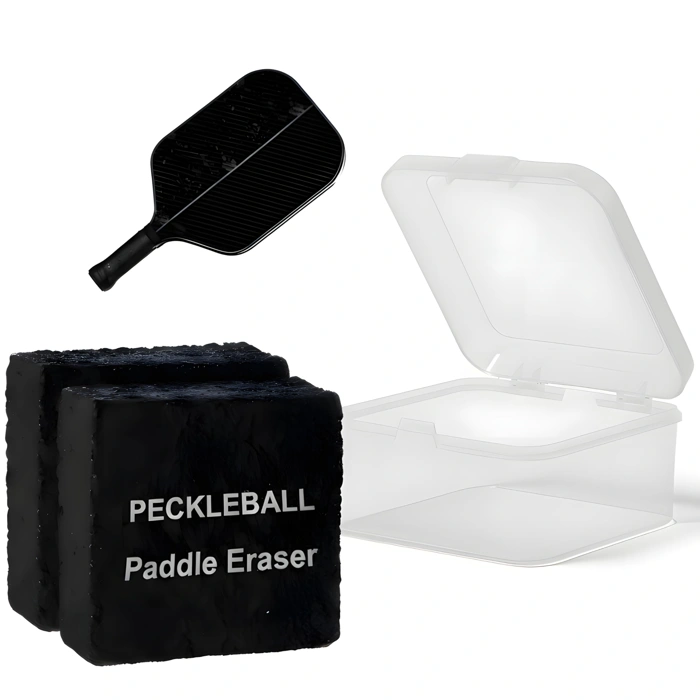
2 Pack Pickleball Paddle Eraser & Cleaner for Carbon Fiber Paddles
The 2 Pack Pickleball Paddle Eraser & Cleaner offers a simple, paddle-safe way to keep carbon fiber surfaces clean without damaging the textured finish. At $9.99 for two erasers and a 4.7/5 rating, this set delivers solid value for players who want one eraser in their gear bag and another at home or in the car.
Carbon fiber paddles develop dirt, oils, and court dust that reduce grip friction and control. This eraser is designed to lift residue from textured paddle faces without scratching or wearing down the surface - important for preserving spin and feel over time. The dual-pack format means you always have a backup, and the compact size fits easily in side pockets or accessory compartments.
For budget-conscious seniors who play frequently, this tool offers a low-cost way to extend paddle performance between deeper cleans. It works best as part of a regular maintenance routine: wipe the paddle with a damp microfiber cloth after play, then use the eraser weekly or whenever you notice reduced grip. This approach keeps the paddle surface responsive without requiring frequent replacement or expensive cleaning products.
The eraser is most effective on lightly soiled paddles. If your paddle face has heavy ball marks, embedded grime, or sticky residue from drinks or sunscreen, you may need to pre-clean with a damp cloth before using the eraser. It won't restore a badly neglected paddle to like-new condition, but it maintains performance well when used consistently.
Because this is a paddle-specific eraser, it avoids the risk of household erasers that can leave residue or damage specialty surfaces. The two-pack format also makes it easy to share with a doubles partner or keep one in different locations. For players who want a straightforward, paddle-safe cleaning tool that fits a senior-friendly budget, this eraser set is a practical choice.
- ✅ $9.99 for a two-pack offers good value
- ✅ Designed specifically for carbon fiber paddle surfaces
- ✅ Compact size fits easily in gear bags
- ✅ Safe for textured grips without scratching
- ✅ Dual-pack provides a backup or home/travel option
- ⚠️ Works best on lightly soiled paddles, not heavy grime
- ⚠️ Requires consistent use for best results
- ⚠️ May need pre-cleaning with damp cloth for sticky residue
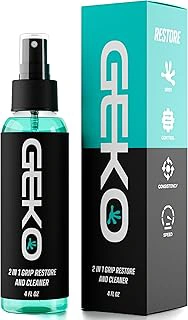
Geko 2-in-1 Grip Restore & Cleaner – #1 Golf, Basketball, Football, Volleyball, and Baseball Grip Spray – Restores Grip, Shoe & Glove Traction, Removes Dirt & Oil, Restores Control & Consistency
The Geko 2-in-1 Grip Restore & Cleaner is a spray designed for multiple sports equipment, including golf clubs, basketballs, footballs, volleyballs, and baseballs. Priced at $15.44 with a 4.5/5 rating, it removes dirt and oils while aiming to restore traction on grip surfaces, shoes, and gloves.
This product offers convenience for active seniors who play pickleball alongside other sports. Instead of maintaining separate cleaning products for each piece of equipment, one spray bottle covers grips across multiple activities. The spray format allows quick application without water or towels, making it practical for pre-game or mid-session touch-ups.
Because Geko isn't formulated exclusively for pickleball paddle grips, its performance on specific grip materials - such as perforated polyurethane or cushioned overgrips - may vary compared to pickleball-focused cleaners. The multi-surface formula balances versatility with generalized effectiveness, so players with specialized grip preferences may notice different results than with paddle-specific products.
The spray works well for routine maintenance when you need a simple solution that fits into a shared equipment bag. It's less suited to deep cleaning heavily soiled paddle grips or treating grips that require moisture-controlled care. For players who value one tool for all their sports gear and prefer the speed of a spray, Geko offers practical multi-sport utility at a modest price.
- ✅ One product for pickleball and other sports equipment
- ✅ Spray format enables quick application without water
- ✅ Removes dirt and oils from grip surfaces
- ✅ Affordable at $15.44 for multi-sport use
- ⚠️ Not formulated specifically for pickleball paddle grips
- ⚠️ Performance may vary across different grip materials
- ⚠️ Less effective for deep cleaning heavily soiled grips
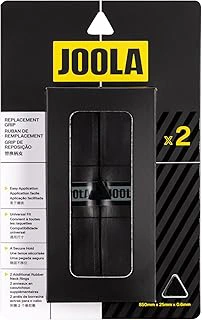
JOOLA Feel-Tec Pure Pickleball Paddle Replacement Grip Tape
When cleaning no longer restores grip performance, replacement is the practical solution. The JOOLA Feel-Tec Pure Pickleball Paddle Replacement Grip Tape ($15.95, rated 4.4 out of 5) offers a straightforward option for players dealing with smooth spots, tears, or persistent slippage that scrubbing cannot fix.
JOOLA has built a reputation for comfortable, cushioned grips that suit players who prioritize hand comfort during extended play. This replacement tape provides a fresh tacky surface and cushioning layer, helping restore the secure hold and feedback that wear gradually diminishes.
Replacement becomes necessary when your current grip shows visible smooth patches where texture has worn away, develops tears or separation at the edges, or continues to feel slippery even after thorough cleaning and drying. At that point, a new grip tape delivers better control and comfort than any maintenance routine can provide.
For senior players or those with joint sensitivity, the cushioned construction helps absorb vibration and reduces stress on the hand and wrist during play. The tape installs with a peel-and-stick backing and spiral wrap technique, allowing you to adjust tension and overlap to match your preferred feel.
This grip tape works as a cost-effective refresh for paddles whose handles remain sound but whose original grip has reached the end of its usable life. If you notice your hand slipping during serves or your fingers readjusting grip position between shots, replacement tape typically solves the issue more effectively than repeated cleaning attempts.
- ✅ Affordable replacement at $15.95
- ✅ Cushioned construction for hand comfort
- ✅ Restores tacky surface when cleaning no longer helps
- ✅ Suitable for players with joint sensitivity
- ⚠️ Requires removal of old grip and installation skill
- ⚠️ Adhesive backing may need careful alignment during wrapping
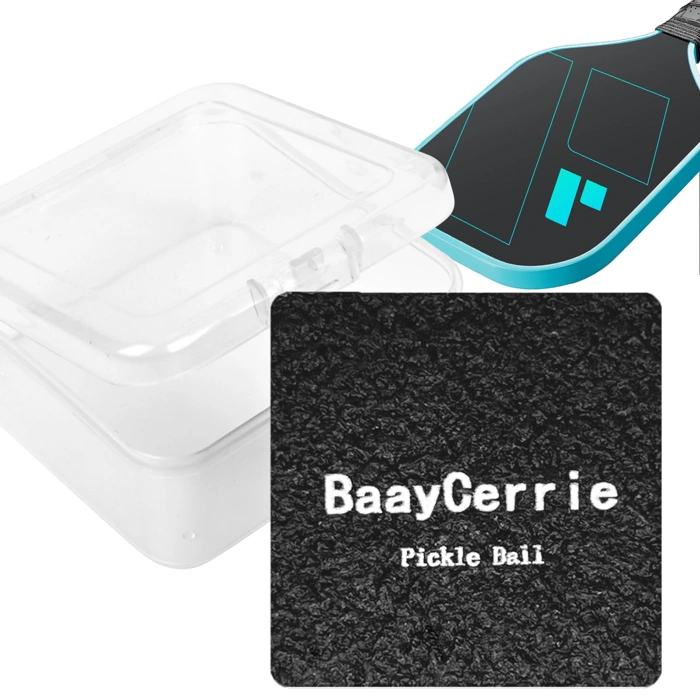
Pickleball Paddle Eraser & Cleaner for Carbon Fiber Paddles
The Pickleball Paddle Eraser & Cleaner for Carbon Fiber Paddles is a budget-friendly option for players who want to try a paddle-specific cleaning tool without a larger investment. Priced at $6.29 with a 4.6/5 rating, this single eraser gives you an easy way to test whether an eraser-style cleaner works better than microfiber alone for your routine.
Unlike the two-pack option reviewed earlier, this listing includes one eraser - ideal if you're maintaining a single paddle or want to experiment before committing to multiple units. The eraser is designed for carbon fiber paddle faces, where it can help lift surface dirt and restore grip without liquids. For occasional players or those cleaning once every few weeks, a single eraser may be all you need to keep your paddle surface fresh between games.
Because this is the lowest-cost paddle eraser available in this guide, it's a practical starting point if you're unsure whether an eraser will fit your cleaning style. You can always add a second unit later if the tool proves useful. If you play multiple times per week or own several paddles, the two-pack may offer better long-term value - but for casual maintenance or a first trial, this single eraser keeps your upfront cost minimal while delivering the same carbon-fiber-safe cleaning action.
- ✅ Lowest-cost option at $6.29 for trying paddle-specific cleaning
- ✅ Designed for carbon fiber paddle faces
- ✅ Single unit ideal for occasional players or testing the eraser method
- ✅ No liquids required for surface dirt removal
- ⚠️ Only one eraser - less cost-effective for multi-paddle households or frequent cleaners
- ⚠️ May need replacement sooner if you play several times per week
Quick Maintenance Checklist
- Wipe grip with damp microfiber cloth after every 2-3 sessions
- Use a dedicated eraser for stubborn dirt on textured grips
- Air-dry paddle completely before storing in bag
- Inspect grip weekly for smooth spots, tears, or loss of traction
- Replace overgrips every 4-6 weeks with regular play
- Avoid soaking paddle or submerging grip in water